Beautiful Bird Broods

Summer in Perth brings sunshine, heat and some beautiful bird broods! A lot of Perth birds breed in late winter, spring and early summer and so once we get into summer – young birds abound! Some may have just hatched while others will be strutting around confidently like teenagers.

Some of them are still reliant on Mum and Dad for protection, guidance and comfort.
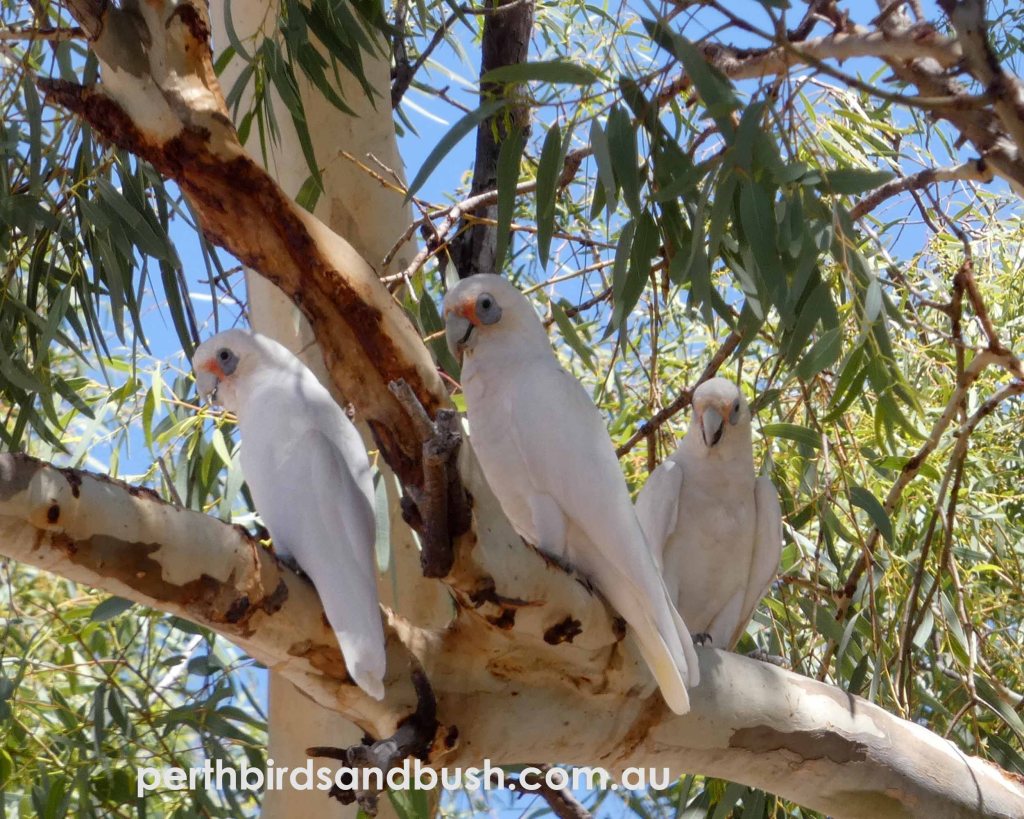
Western Corellas – Mum, Dad and their youngster, 20 February 2026.
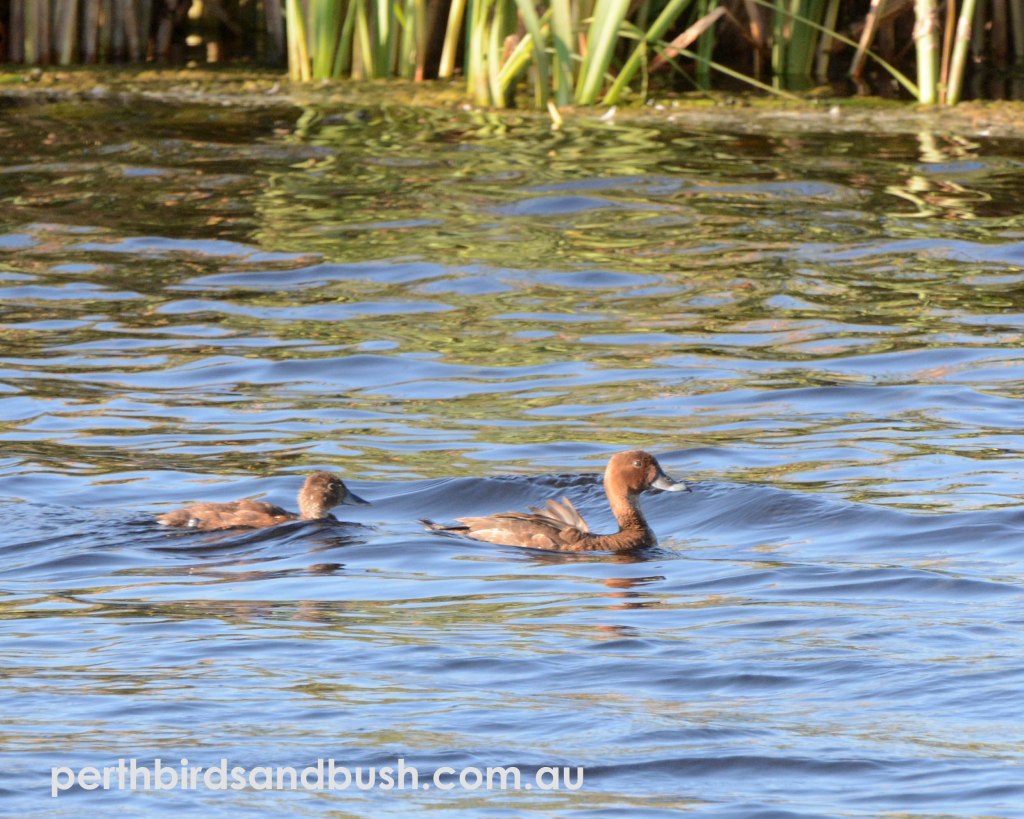
Hardhead mother and juvenile, 24 January 2026

Some are off on their own exploring the skies and looking for something to eat!
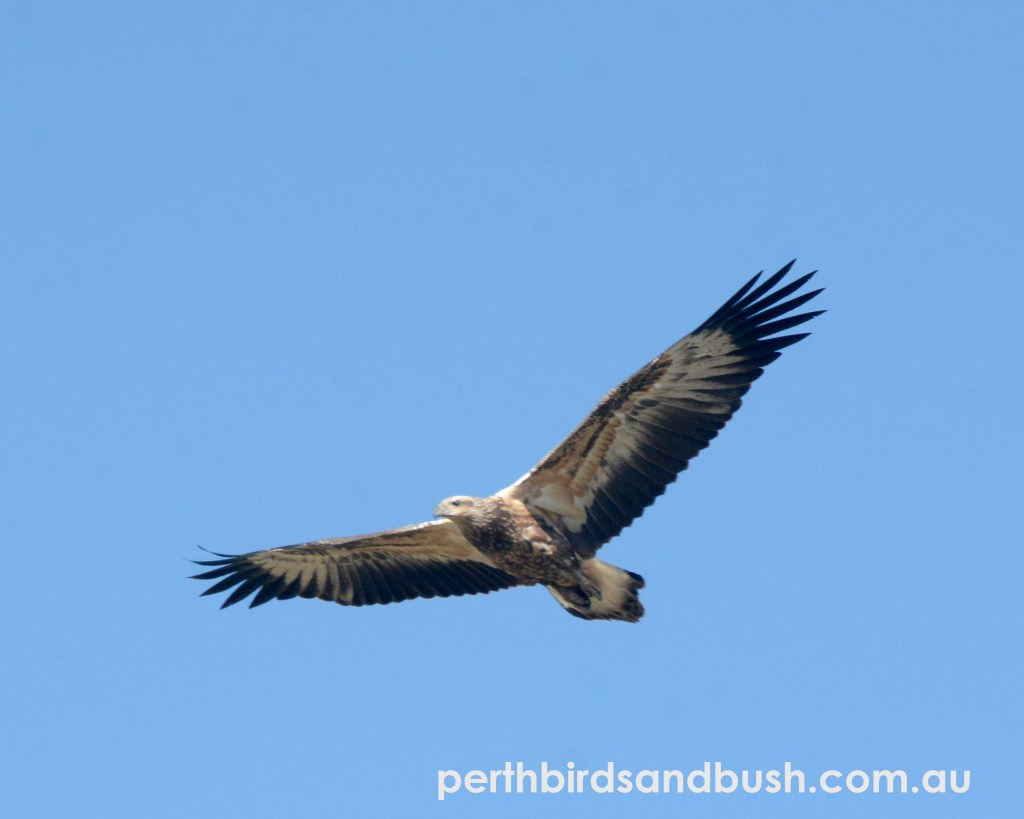
Juvenile White-Bellied Sea-Eagle, 4 February 2026
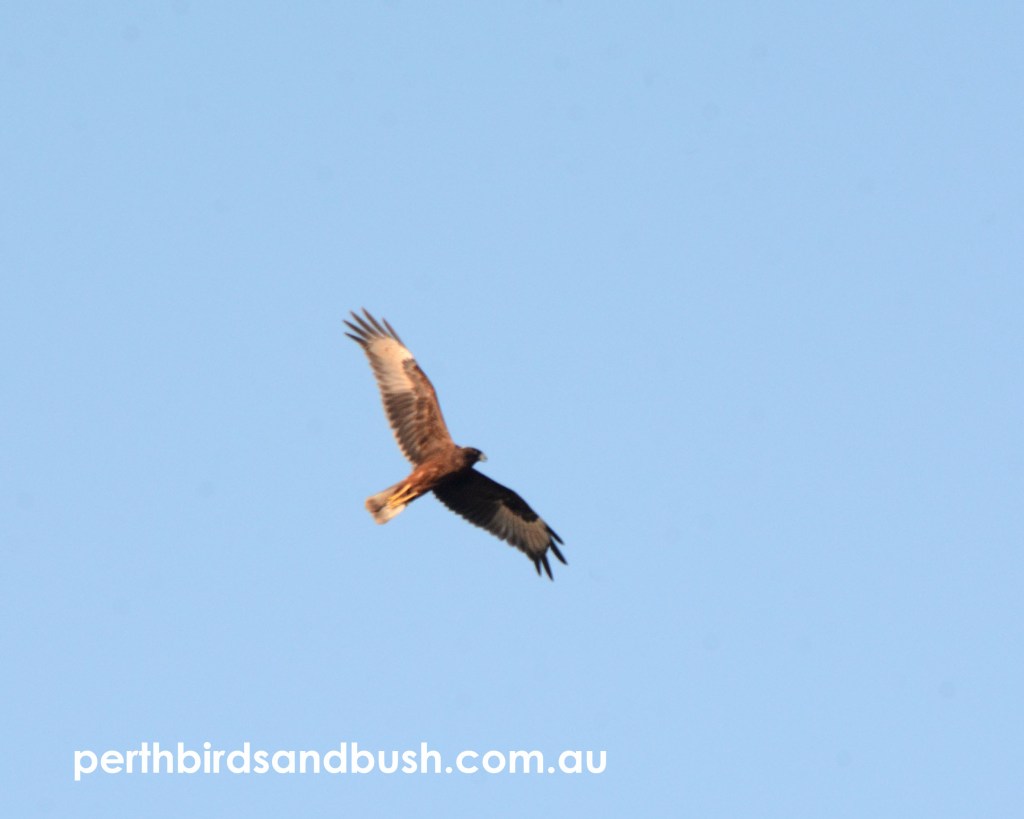
Juvenile Swamp Harrier, 24 January 2026

We came across a group of juvenile Striated Pardalotes in mid January 2026 that were very curious about what we were! They were very curious about what we were and came up very close to get a good look at us! This was an hour out of Perth in Wandoo forest.
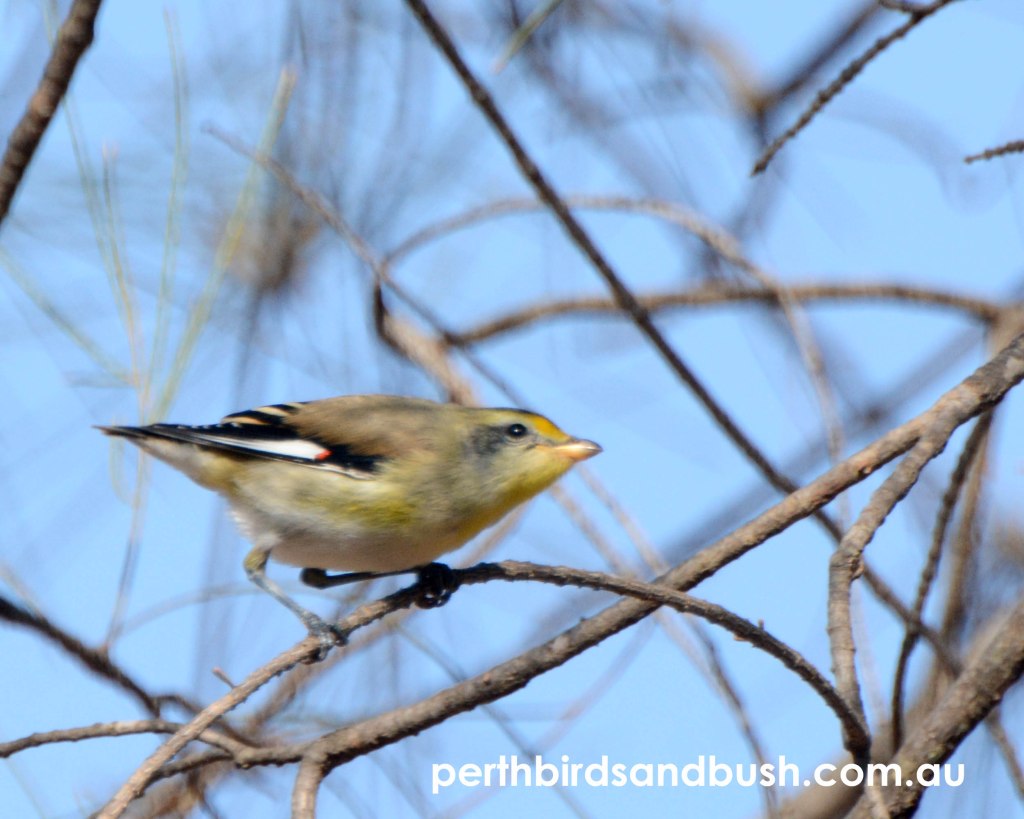
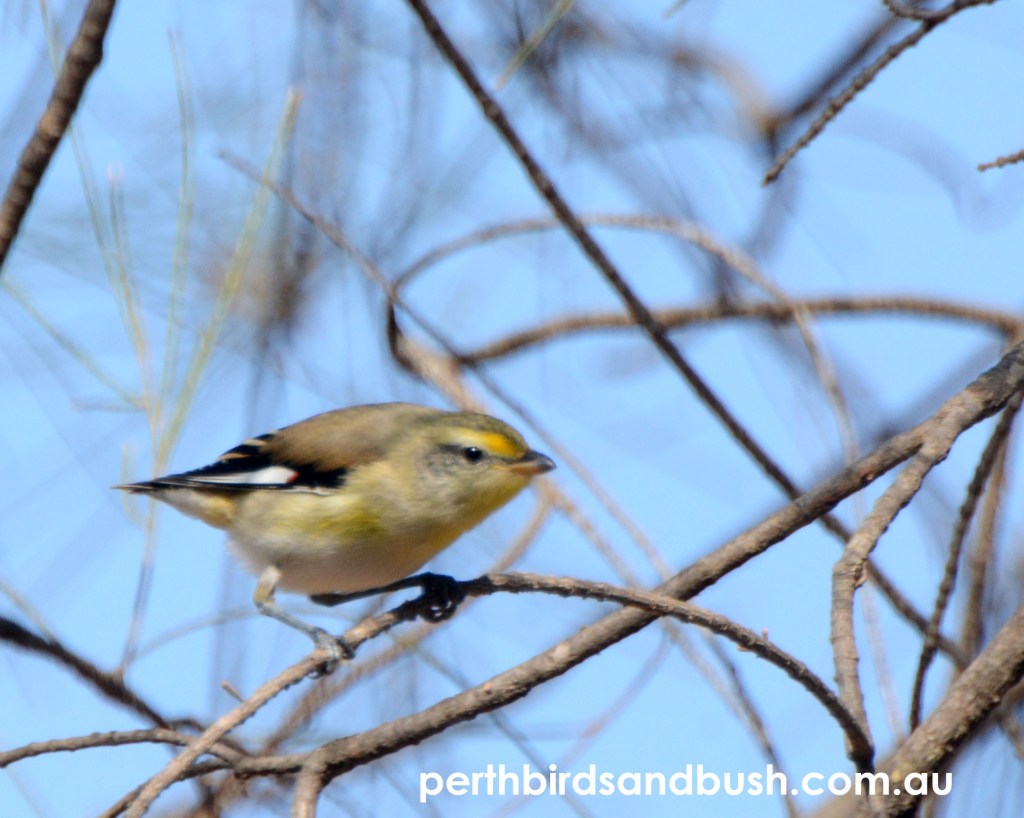
While young birds often don’t look as glamerous as adults, its wonderful to be out birding in Summer as there are more birds around and it’s nice to see the different plumages of the youngsters.
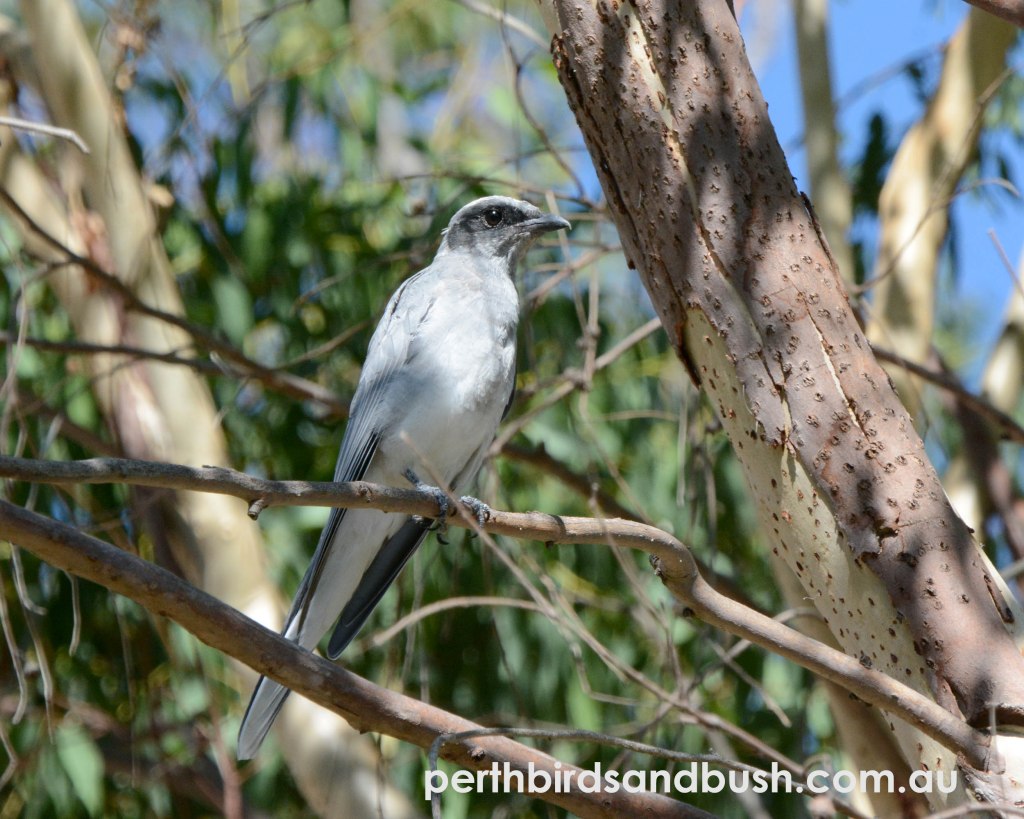
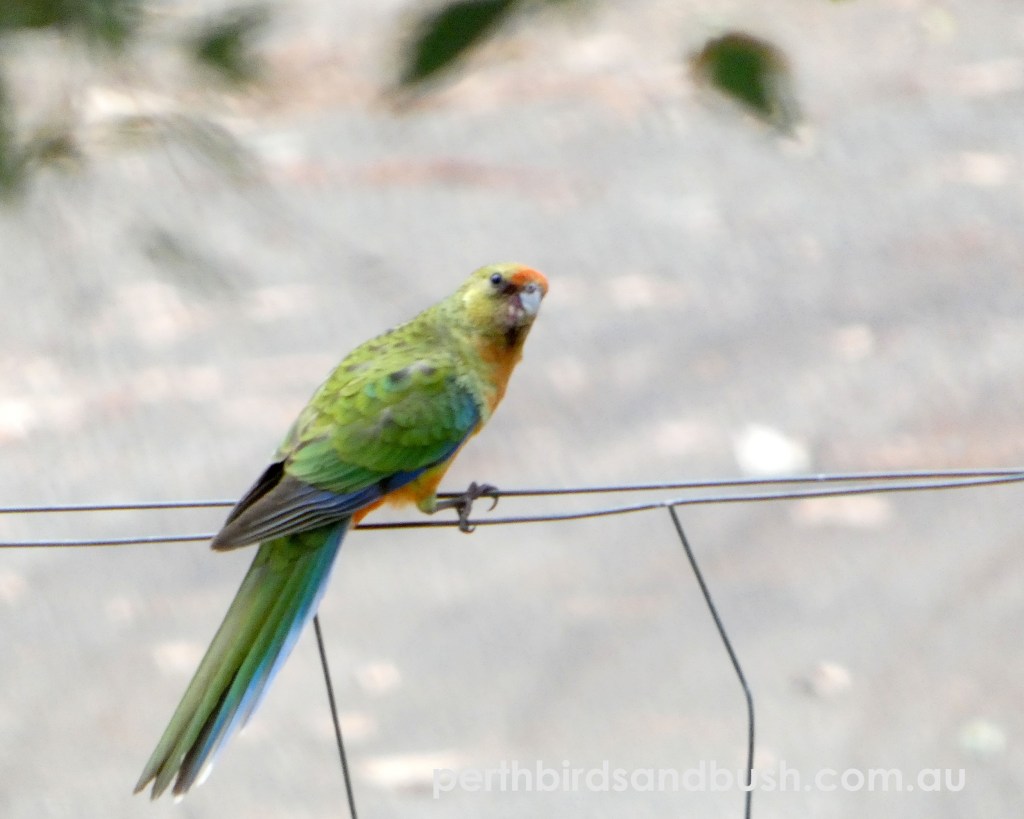
Immature Black-faced Cuckoo-shrike, 4 February 2026.
Juvenile Western Rosella, 9 February 2026

Nyoongar people have six seasons and Birak is roughly in December and January. It is sometimes known as the first summer and it is the time of the young birds and other animals. While Bunuru is roughly February and March and is known as the second summer and the season of adolescence. Find out more about the six seasons at: https://www.thewetlandscentre.org.au/blog/the-six-seasons-of-the-nyoongar-calendar/

All these young birds are aging into beautiful adults now that we are well into Bunuru! They are filling the ground, wetlands, trees and skies with colour, beauty and wonderful songs!

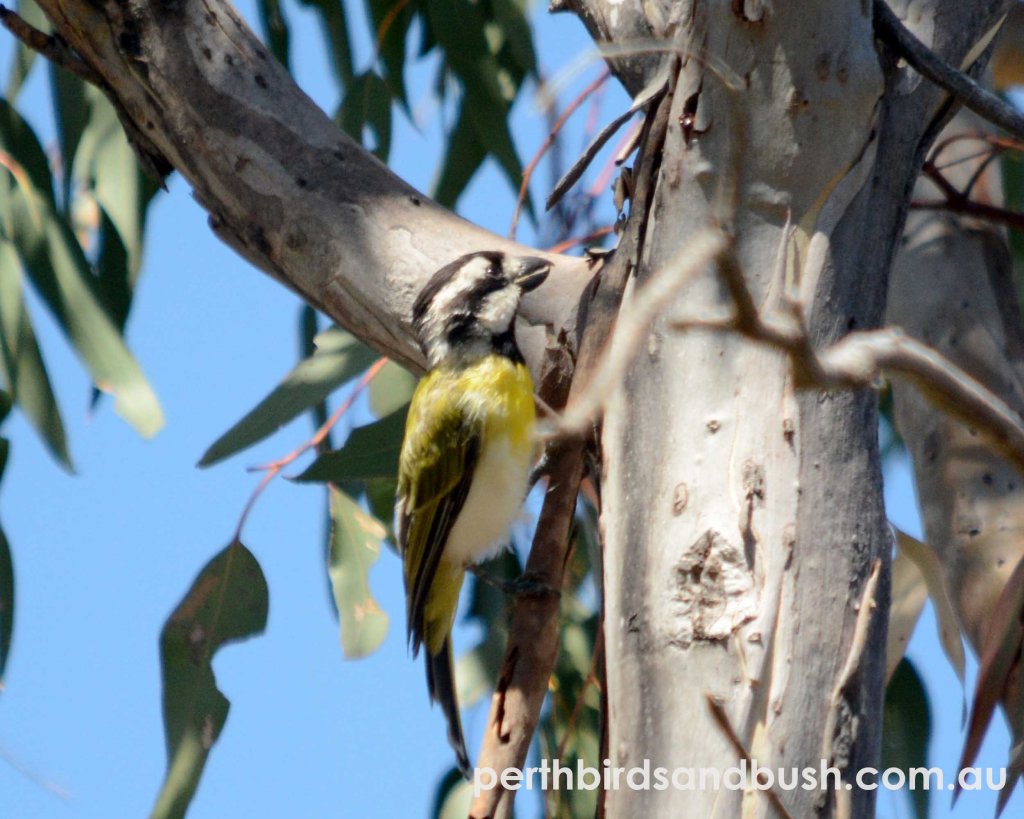
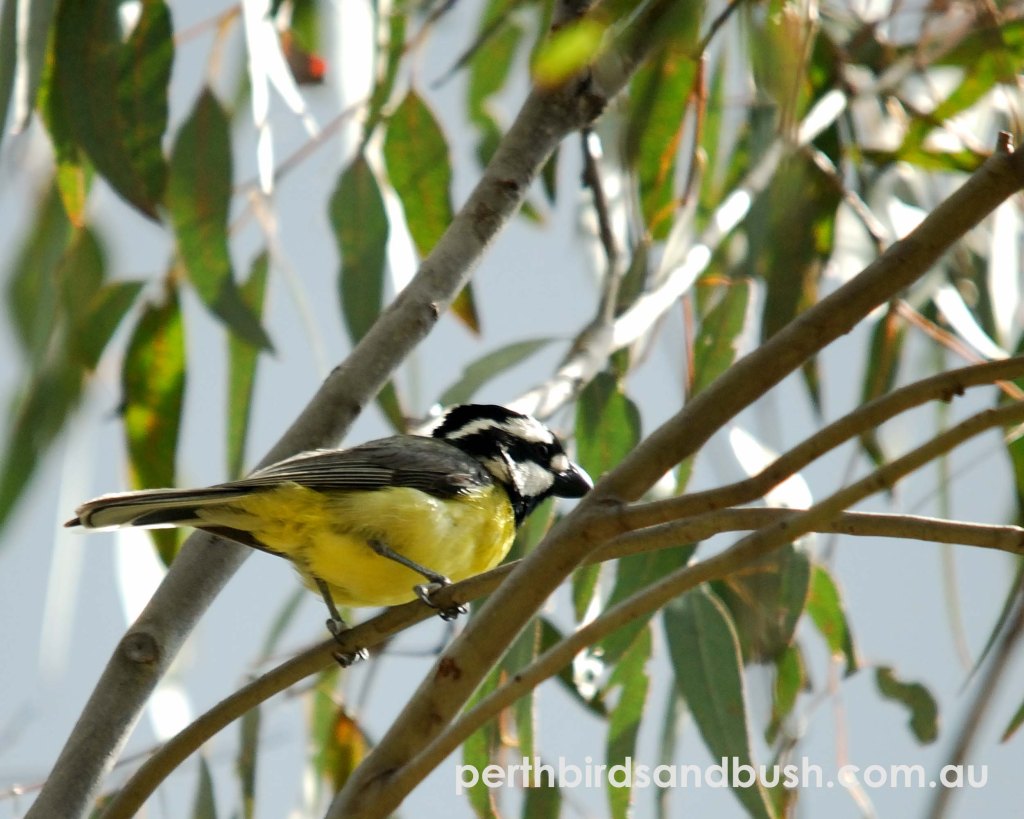
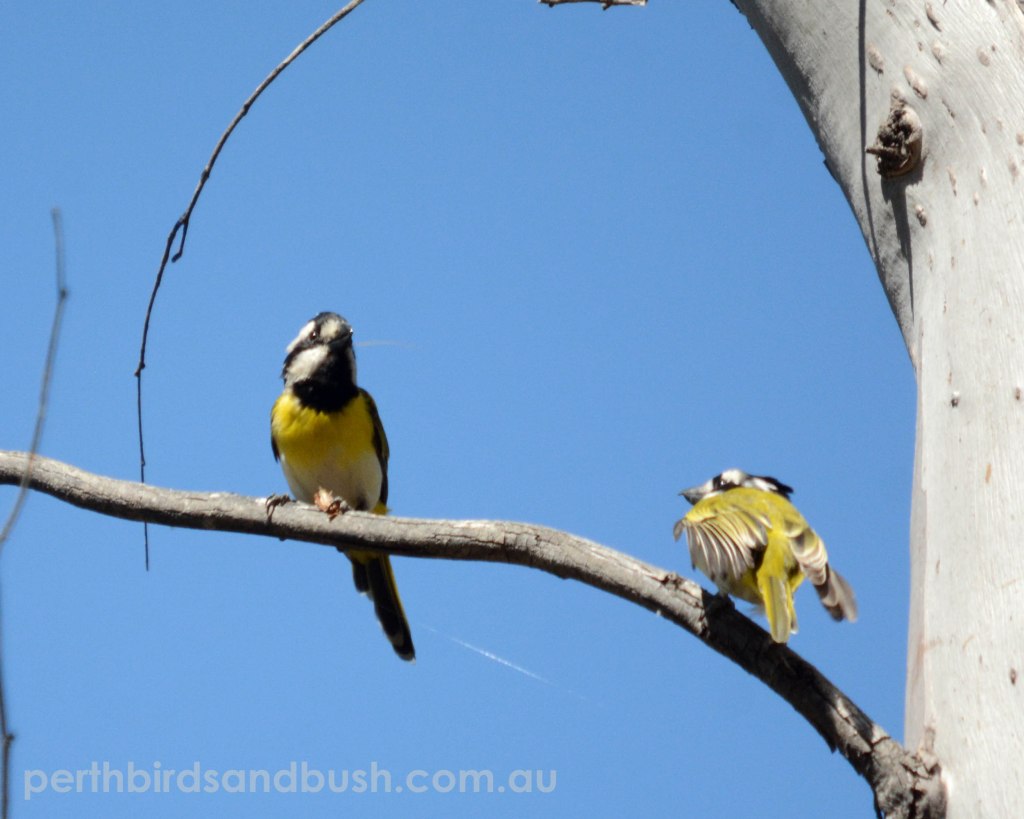
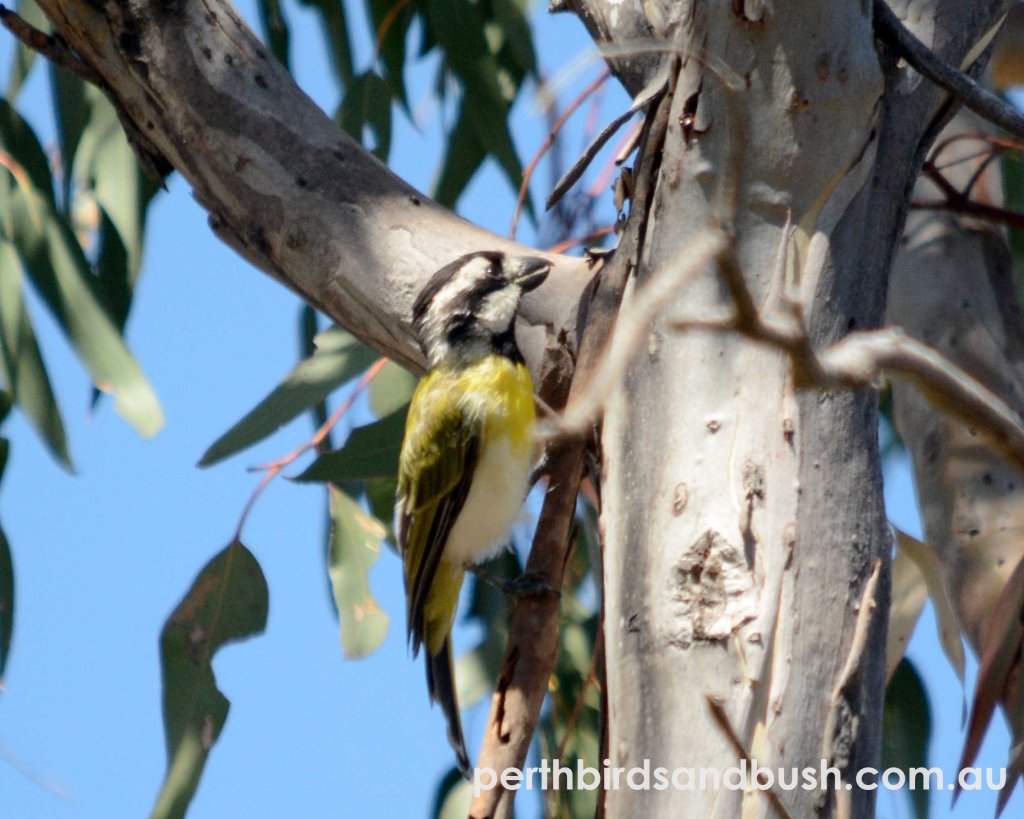
Western Shriketit

There is joy in Australian birding circles that the International Ornithological Congress (IOC) have split the Crested Shriketit into separate Western, Northern and Eastern species! This has been a long overdue taxonomical split with ranges of all three species separated by thousands of kilometers and all having different plumages.

Western Shriketit male lower breast is white.
Eastern Shriketit male lower breast to undertail coverts are yellow. Photographed in New South Wales.

The taxonomical change occurred on 5 February 2023, so it was a delight to see two Western Shriketit in mid-Febraury with Howard while on a bush birdwatching tour! We stood still, watching and photographing them for about 10 minutes. They have to be one of the most beautiful and charismatic birds in Australia!

Western Shriketit seen with Howard February 2023.

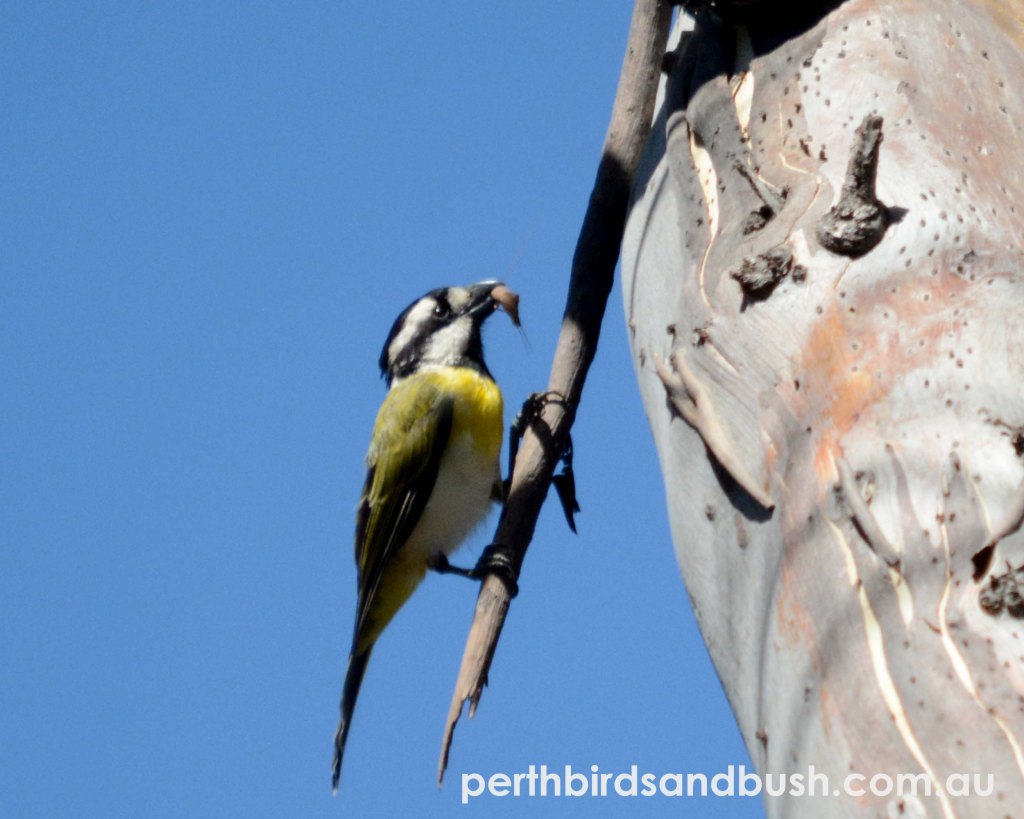
The two birds appeared to be a male and a young male that was not fully fledged and looking for food from Dad!

The youngster was following the adult male.
Perhaps the adult was trying to show the young bird how to forage for itself.
Are you going to share that juicy insect with me Dad?

It will be interesting to see if any of these species will now have a different conservation status. BirdLife Australia’s Working List of Australian Birds 4.1 has the three species at full species status and all with a Least Concern conservation status. But this may be a carry over from before the taxonomical spilt. Similarly BirdLife International have the Northern Shriketit as Least Concern although the information there looks like it may be precarious, Western Shriketit is also listed as Least Concern but has a declining population and Eastern Shriketit is listed as Least Concern with a declining population but a much larger range than the other two species. The Australian Government has Northern Shriketit as a Vulnerable subspecies as does the Western Australian Govenment. Western Shriketit does not have this status with the State or National Government.

The Western Shriketit is certainly an uncommon bird and maybe worthy of more study. Hopefully the full species status will provide a bit more of a reason to research this species and the Northern Shriketit. Its certainly worth documenting records of these birds via Birdata, e-bird, iNaturalist and other databases for future research studies.

Western Shriketit foraging on a Eucalyptus wandoo tree.