
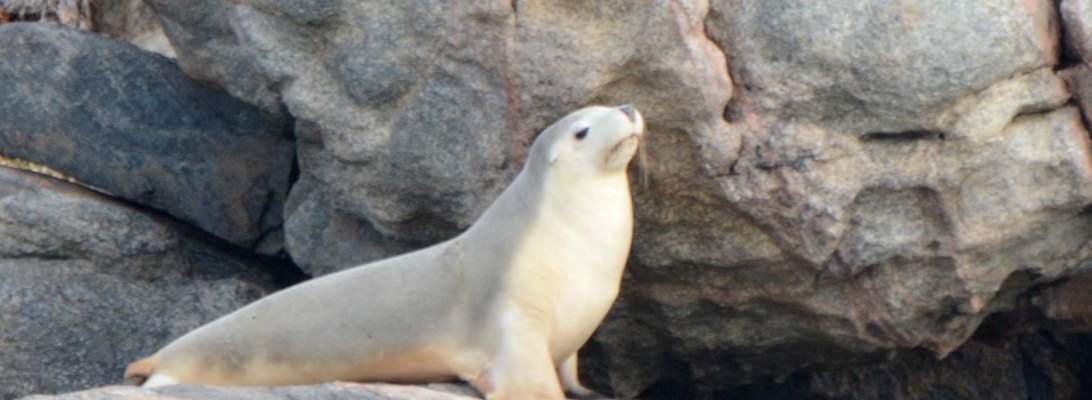
If you love an ocean adventure and nature then I highly recommend a day aboard the Naturaliste Charters boat from Bremer Bay between late January and early April. Their web page can be found here. The food, boat and crew are excellent. They have an on board Marine Biologist and a very knowledgable crew.
The tours leave at about 8 am and return about 4 pm. This is a good way to see a variety of sea mammals and sea birds. It’s good to look at their facebook posts to get an idea of what species are around at different times of the year. A few years back I went on the tour in early April specifically looking for Black-bellied Storm-Petrel and South Polar Skua. On that trip we saw several sea bird species, including Black-bellied Storm-Petrel and we also saw Sperm Whales.

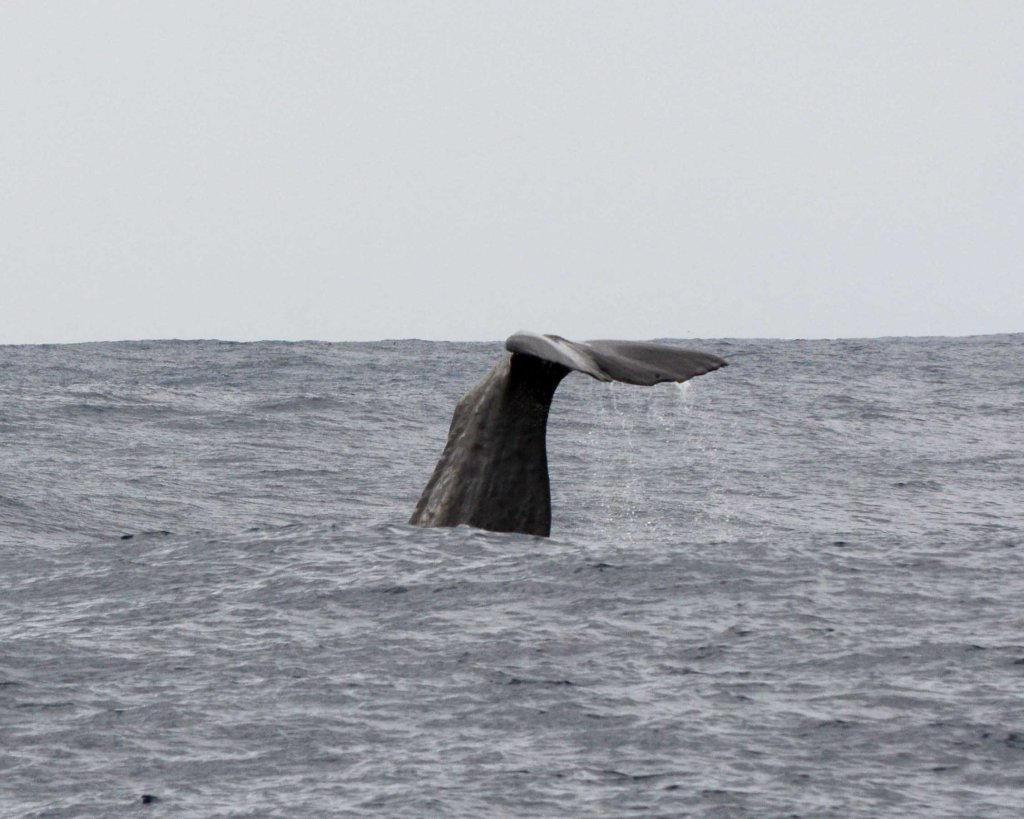
Recently I went on a fabulous tour in late February. The mammals we saw were Orca, Australian Sea Lions and New Zealand Fur Seals. The Orca were near the boat for most of the day!


It was a very lucky day for the birds and we saw: Wandering Albatross, Shy Albatross, Black-browed Albatross, Wilson’s Storm-Petrel, White-faced Storm-Petrel, Great-winged Petrel, Flesh-footed Shearwater, Sooty Shearwater and a mega rarity in this area – Great Shearwater. Most of these were called out by the staff so that everyone could see them. However as the staff didn’t have binoculars, some of the trickier to identify species were not mentioned. So birdwatchers are best to have some knowledge prior to boarding or photograph the birds themselves for later identification.
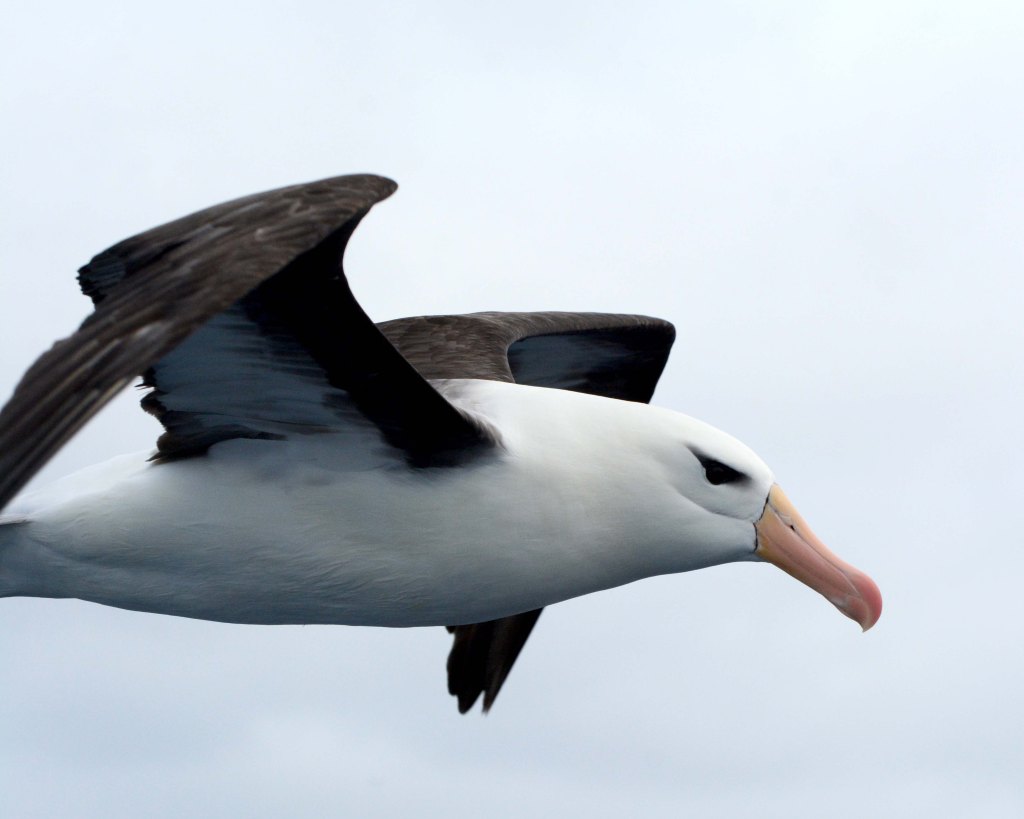
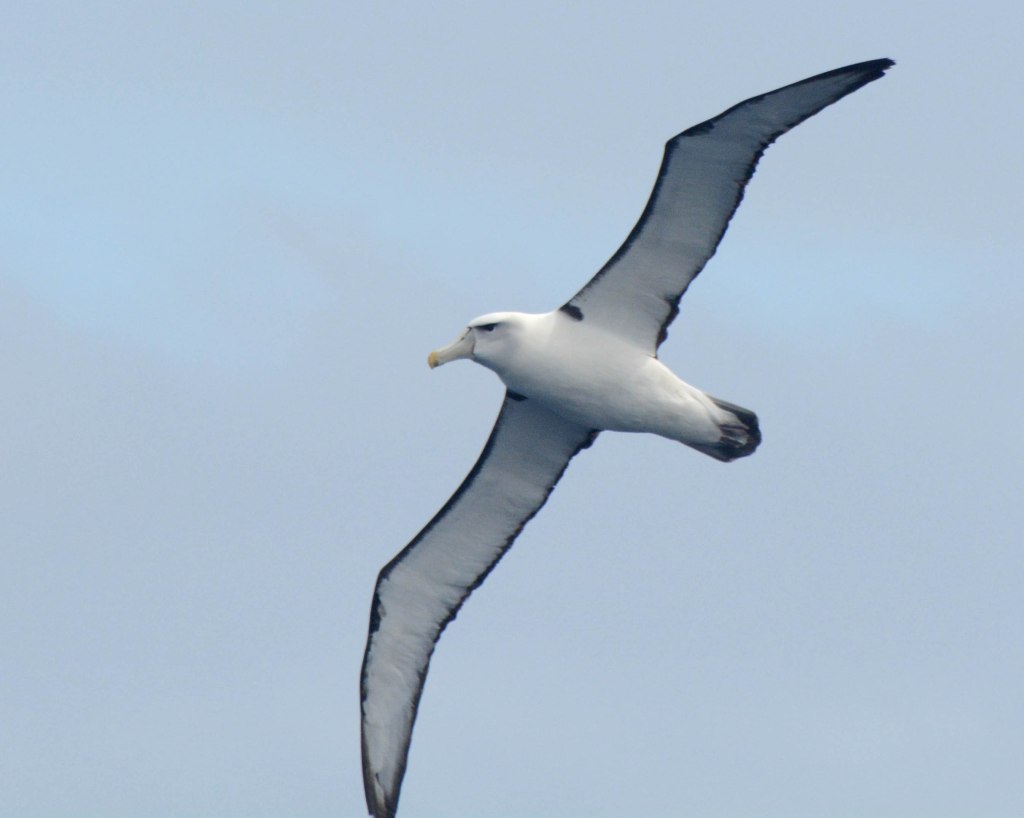
In Western Australia there are some other boat trips organised to specifically view sea birds, however, these are only organised a few times a year and are often booked out by the regular attendees before any advirtising is required. So the Bremer Canyon boat trips are probably the best way to see a variety of sea birds and sea mammals in the south west of Australia.


Perth Birds and Bush and the author of this article have not received any payments, gifts or discouts from Naturaliste Charters.




 Perth Birds and Bush