Citizen Science: Questagame

A few months back I wrote about Citizen science and the Birdata app. Another app that I use is Questagame. It is for documenting any living species, whether plant, fungi, fish, bird, insect, spider etc. Questagame is an Australian app but can be used world wide.
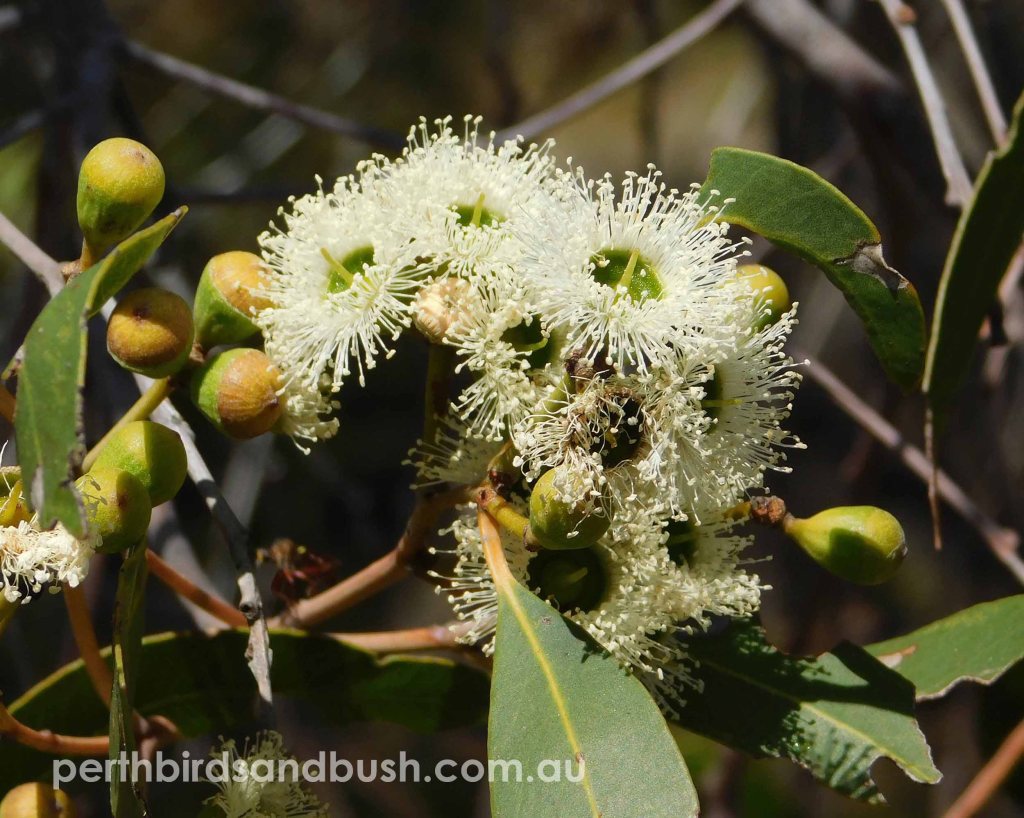
Pricklybark (Eucalyptus todtiana) is flowering in the Perth area in February and March. This image was submitted to Questagame, identified and will become a record in the Atlas of Living Australia. For plants it is best to include in your submission photographs of each of the flowers, fruits, leaves, stems and entire plant.

You can use the app to submit photographs and locations etc of plants or creatures that you have found to find out what they are and to have them added to the Atlas of living Australia. Or you can help identify other peoples submissions. Either way, you are contributing to the knowledge of living species for use in research and conservation.

This cicada was found dead on a track near Denmark, Western Australia in February and submitted to Questagame. It is a Red Bandit (Pyropsalta melete) with and this species only has 53 records in the Atlas of Living Australia as seen here.

The phone app is set up within a gaming structure with clans, points, leaderboards etc. So it can become a competitive and social experience. But you don’t need to be concerned about either of these aspects if you don’t want to!
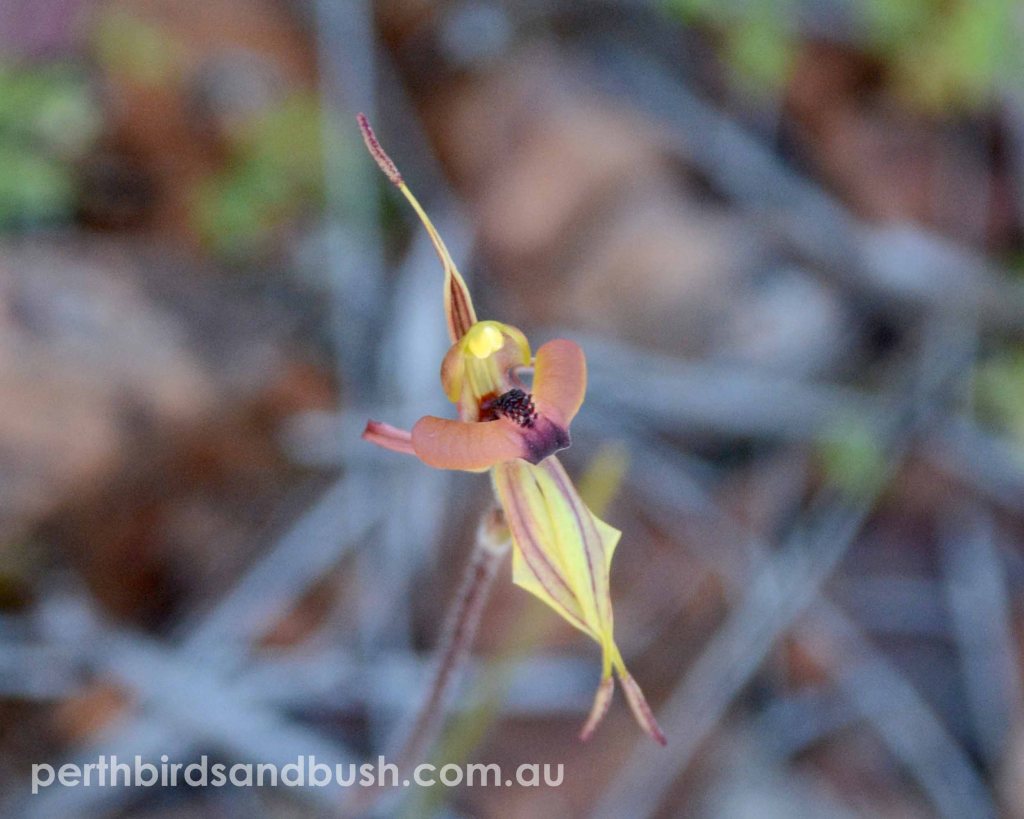
Puppet Orchid (Caladenia incrassata) photographed in the Helena Aurora Ranges. This image was the first image in the Atlas of Living Australia of this species. This species only has 38 records in the Atlas of Living Australia.

It is very exciting if your record is the first one in the Atlas of Living Australia or if it provides the first photographs to the Atlas of Living Australia!
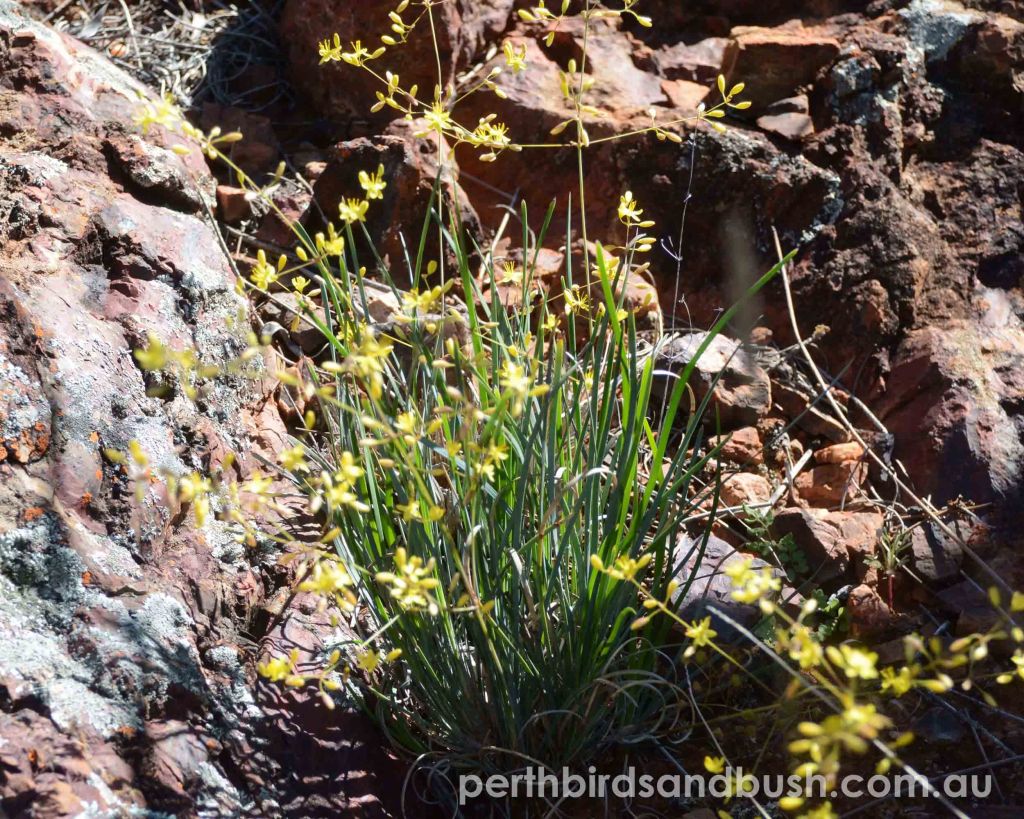
Chamaexeros macranthera photographed in the Helena Aurora Ranges. This is the only image of this species in the Atlas of Living Australia. While this was photographed in a fairly remote area, you can still find species in the Perth area that represent the first record of a species or the first for the state etc.

One thing that I have been doing is documenting flora and fauna in some of my favourite places or places that I am concerned may be bulldosed for a future development. These records become very useful in the future if they provide evidence that something endangered may be present in the area. Just take a look at some of the over 6000 species within 10km of Perth already in the Atlas! These records come from museum records, birdata observations, Questagame submissions and many other sources.

If nothing else, it gives you an excuse to get out in the bush and photograph what you see!

Black-shouldered Kite (Elanus axillaris)

Yippee it’s Spring!

Wow that felt like a long winter! Spring has been in the air for most of August and now its here! Spring means so much – more stunning wildflowers, birds arriving for summer stays, birds looking gorgeous in their breeding plumage and the bush looks super with all those beautiful flowers and gorgeous brightly coloured birds.

Prickley Hovea (Hovea pungens) bringing beautifully bright colour in late August 2021 at John Forrest National park.

All the social media seems to be full of fantastic wildflowers with many locals heading north where the amazing everlastings are literally colouring the country in white, yellow and pink! Luckily for us in Perth that means that the wave of colour is arriving here in Perth! A few months ago social media was lighting up with the colours of the Kimberly and Pilbara, now its the Gasgoyne, Northern Wheatbelt, Northern Goldfields and eastern Goldfields. The wave of colour will roll all the way into the deep south west of Australia before Christmas.

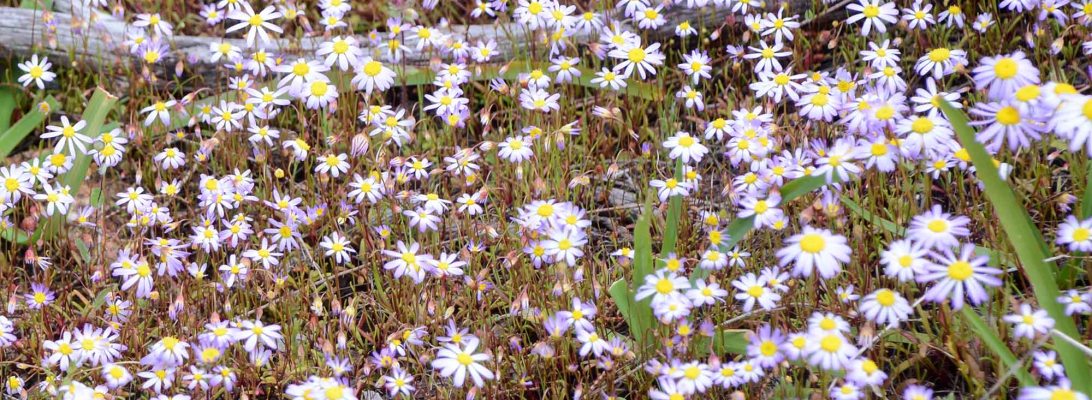
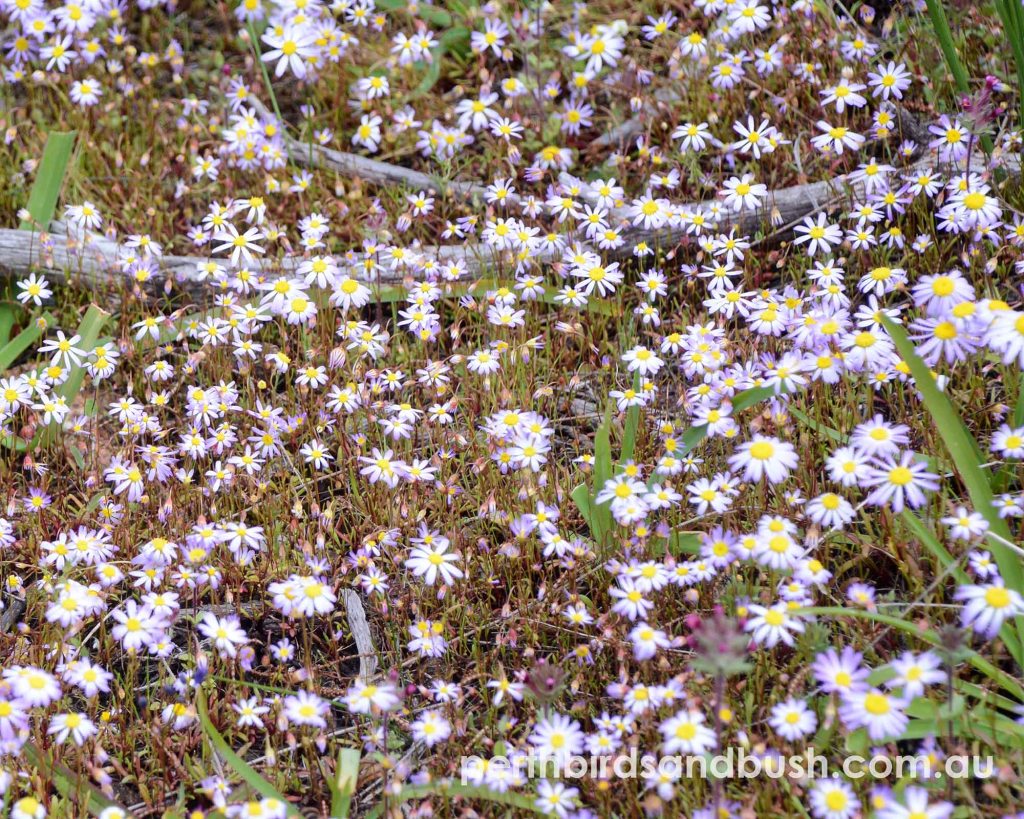
Masses of Swan River Daisy see on tour with Kathy and Doug at the begining of September 2021

Every patch of bush has a nice variety of flowers showing in central, eastern and southern WA in spring! Including in and all around the suburbs in Perth.

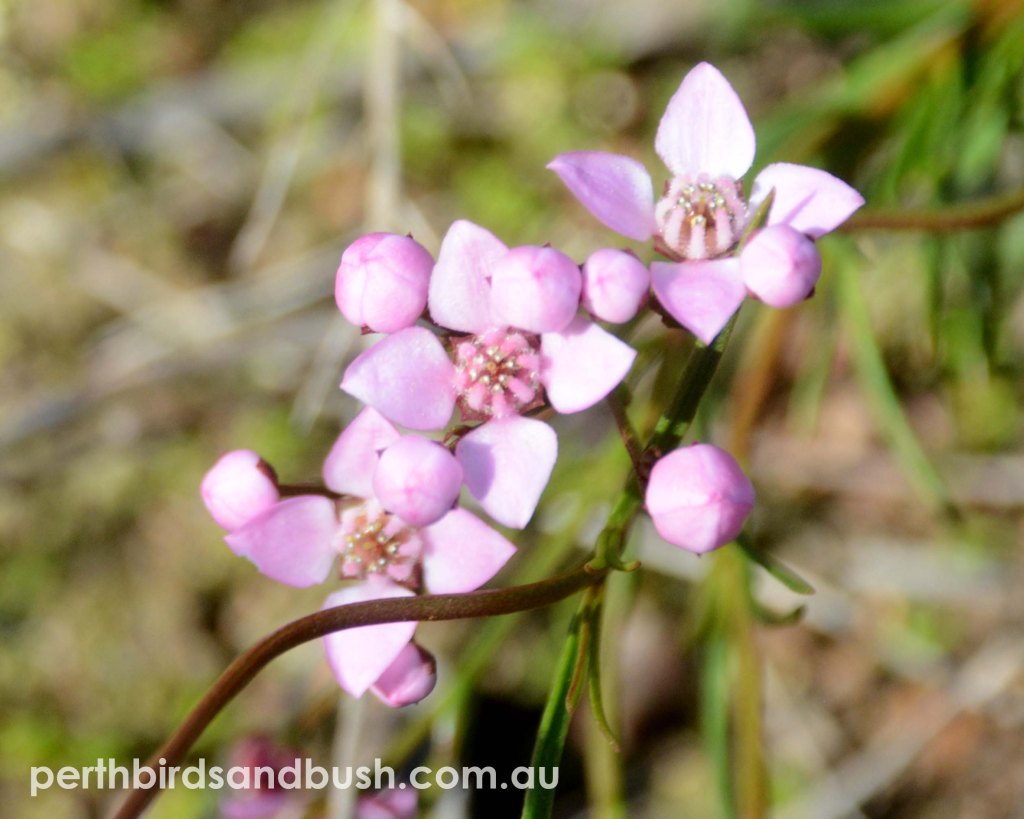
Granite Boronia (Boronia cymosa) bringing delicate pink to the Darling Scarp. Photographed in late August 2021.

It will make you feel better to walk down the road to your nearest patch of bush and really look at the flowers. Get down and smell them. Look for Spring Green Beetles in the Wattles (Acacia species) and Buttercups (Hibbertia species).

A green shiny beetle in yellow Acacia flowers.
Spring Green Beetles (Diphucephala species) in Prickly Moses (Acacia pulchella) shine bright and reflect different colours when they move!

Of course, we are more than happy to take you on a Wildflower Tour to show you some super places!

Bright orange flowers
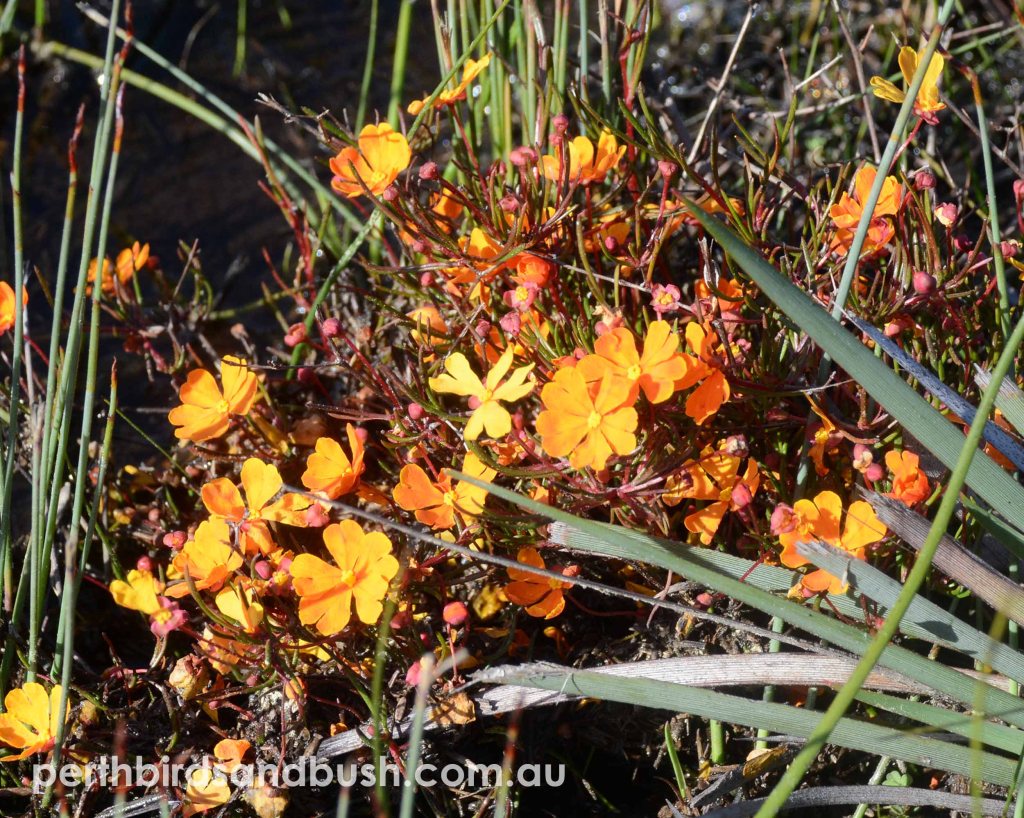
Orange Stars (Hibbertia stellaris) is just starting to emerge near Manjimup. It looks like the road side is on fire!

Just get outdoors, feel the warmth of the sun, smell the wildflowers and listen to those marvelous birds! Spring will disappear before we know it!