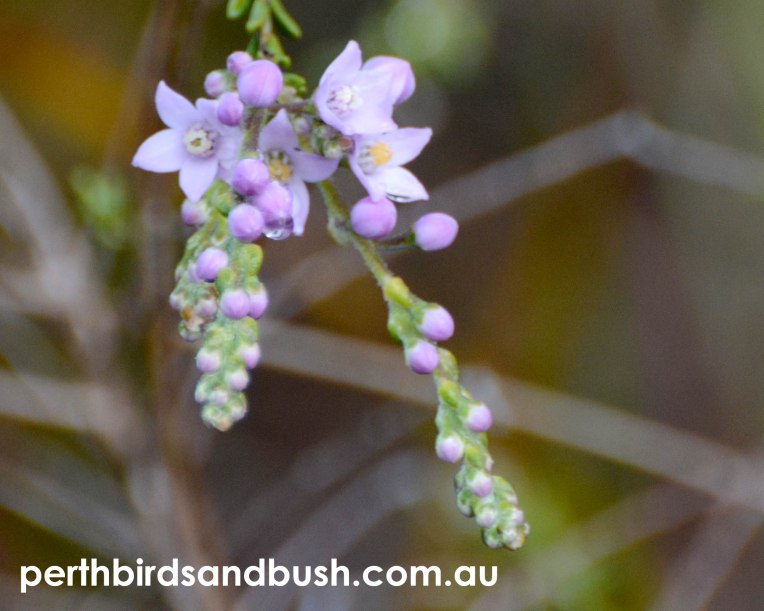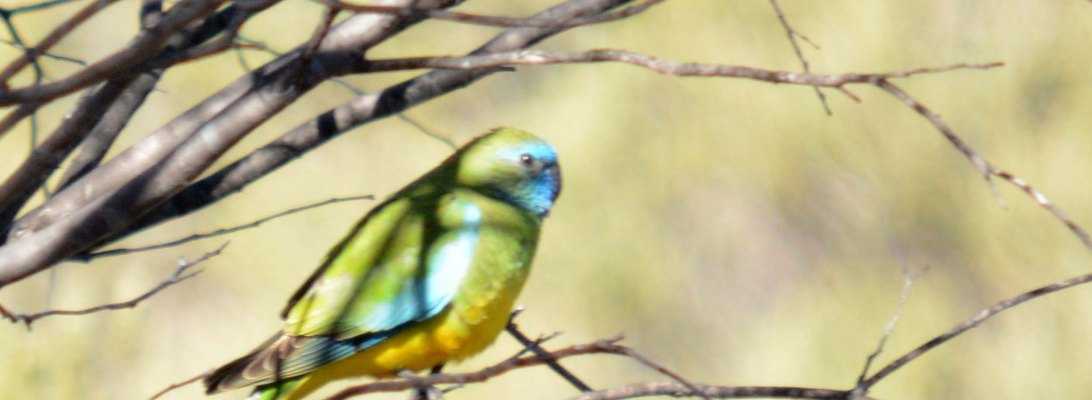
Twitching a nomad

We can probably all agree that the past 18 months have been very strange! A lot of us in the nature tour business are turning the negatives into positives. I have been improving my contacts within the industry and enjoying the wonderful birds and bush in Western Australia a little more than normal!

So when my son (also a bird watcher) started his university mid year break, it was time to plan an escape to see something new. We had heard that a few weeks earlier up to 40 Scarlet-chested Parrots had been seen about 1 hours drive from Coolgardie. These are nomadic parrots that are usually easiest to find in much less accessible Great Victoria Desert. But here they were only about a seven hours drive from Perth, seen in numbers only a few weeks ago, we were looking for an adventure and feeling lucky!!!

So we packed the camper and headed off on a three day adventure. Unfortunately, only three days as we had to tuck the trip in between other commitments. We basically had one day and an hour to actually find the parrots but we did have some latitude and longitude coordinates from a fellow birdwatcher.
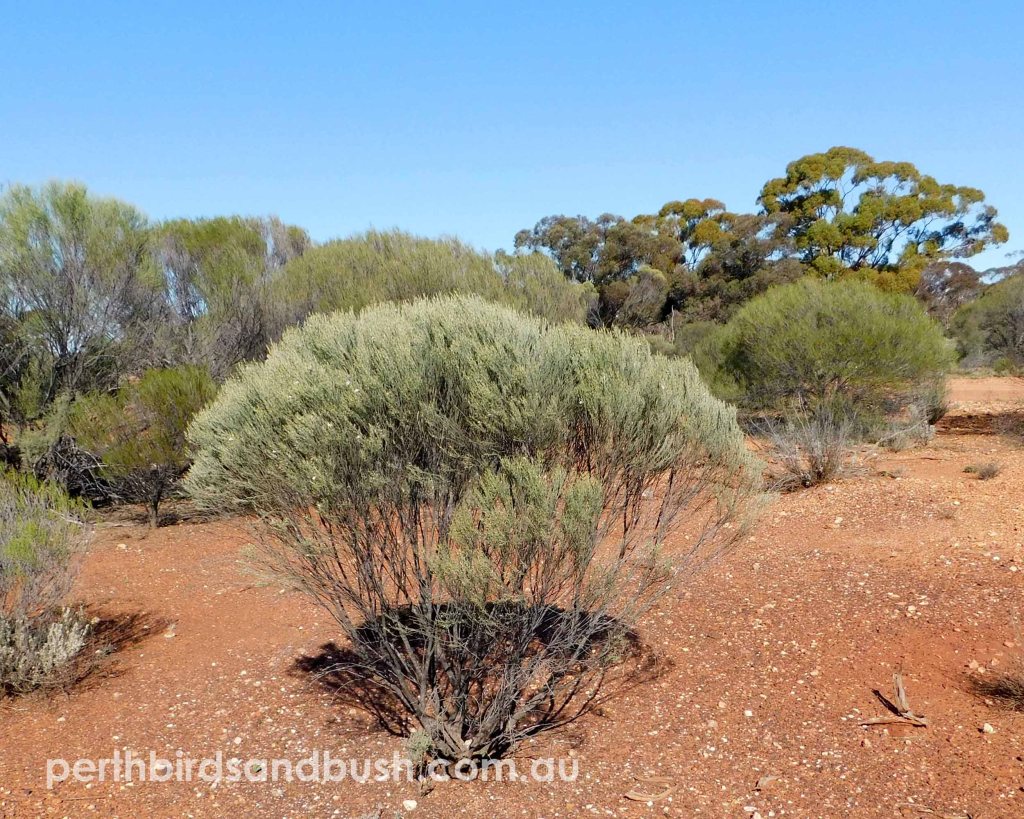
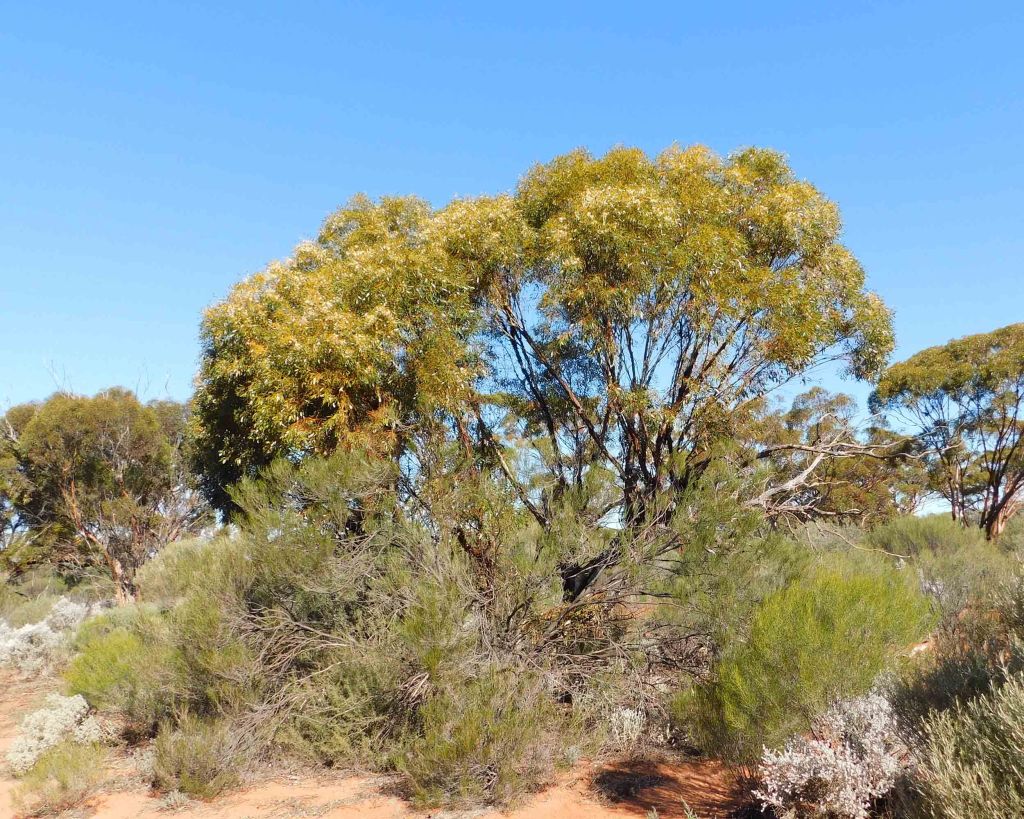
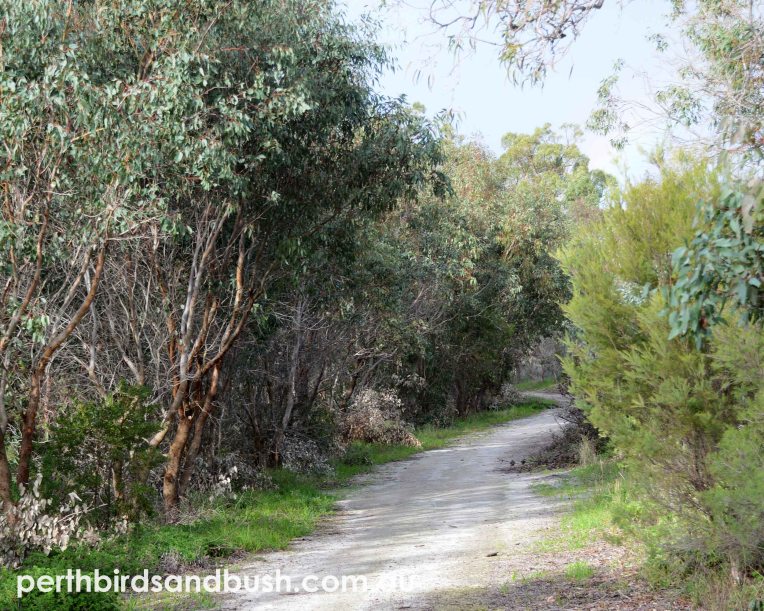
Typical vegetation in the Coolgardie area consists of woodlands and shrublands broken up with floodplains. This photograph from our destination at Credo Station shows the typical shrubs of Eremophila, and Acacia with Eucalyptus trees.

We arrived in Coolgardie, set up camp and the drove one hour to Credo Station. We only had time to get there just a few minutes prior to sunset, but wanted to get our bearings and hoped we would see some gorgeous birds! The first thing we heard when we got out of the car was a single call from a Scarlet-Chested Parrot but after driving 7 hours during the day our ears were a bit dazed and we weren’t sure where the call came from. We scouted around and found a lot of Yellow-plumed honeyeaters, Crested Bellbirds, Tree Martins, other birds and human footprints. But no more parrot calls! We couldn’t decide if we really heard the parrot or just convinced ourselves that we had heard what we most wanted to hear! As the light was nearly gone we headed back to Coolgardie for a delicious dinner at the Gold Rush Motel.

The next day we got up pretty early and headed back to Credo, within 10 minutes we saw a small parrot flush up into a tree. It took us a while to get a good look at it but it was definitely a young Scarlet-Chested Parrot! We were thrilled! We wandered around for another couple of hours finding more individuals, hoping to see a male adult with a bright red chest!
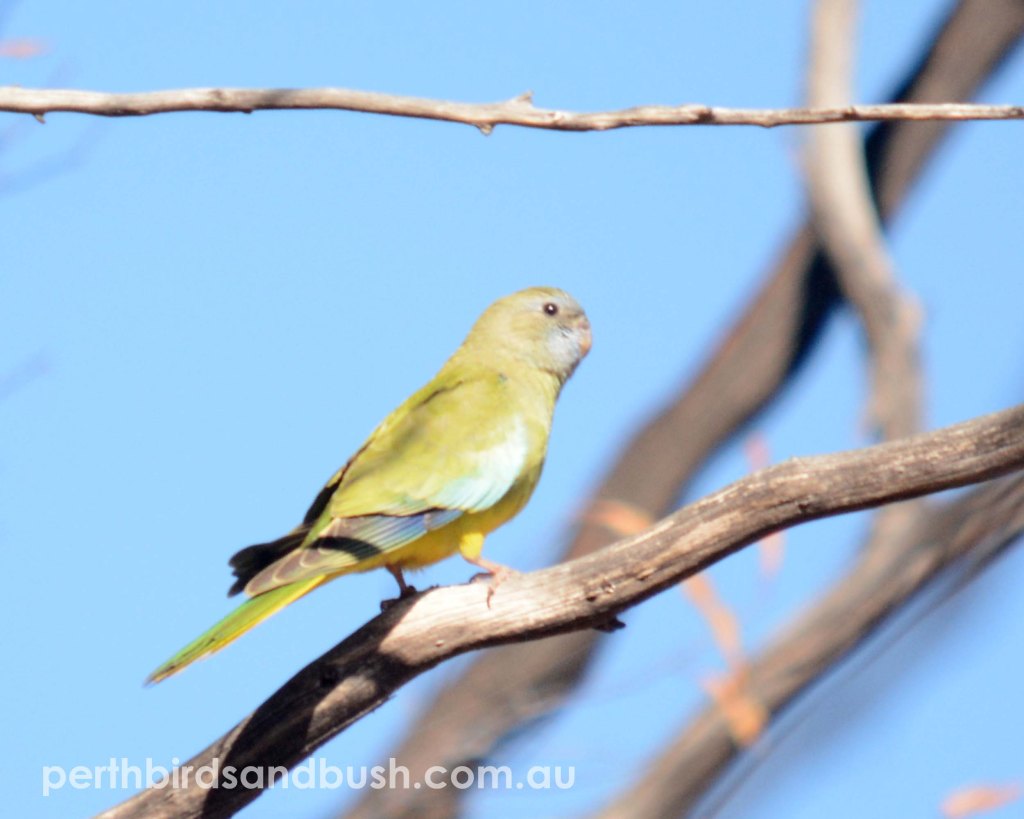
A juvenile Scarlet-chested Parrot with a pale bill and not much blue on the face. They are cute!

We did find some nice females and an immature male.
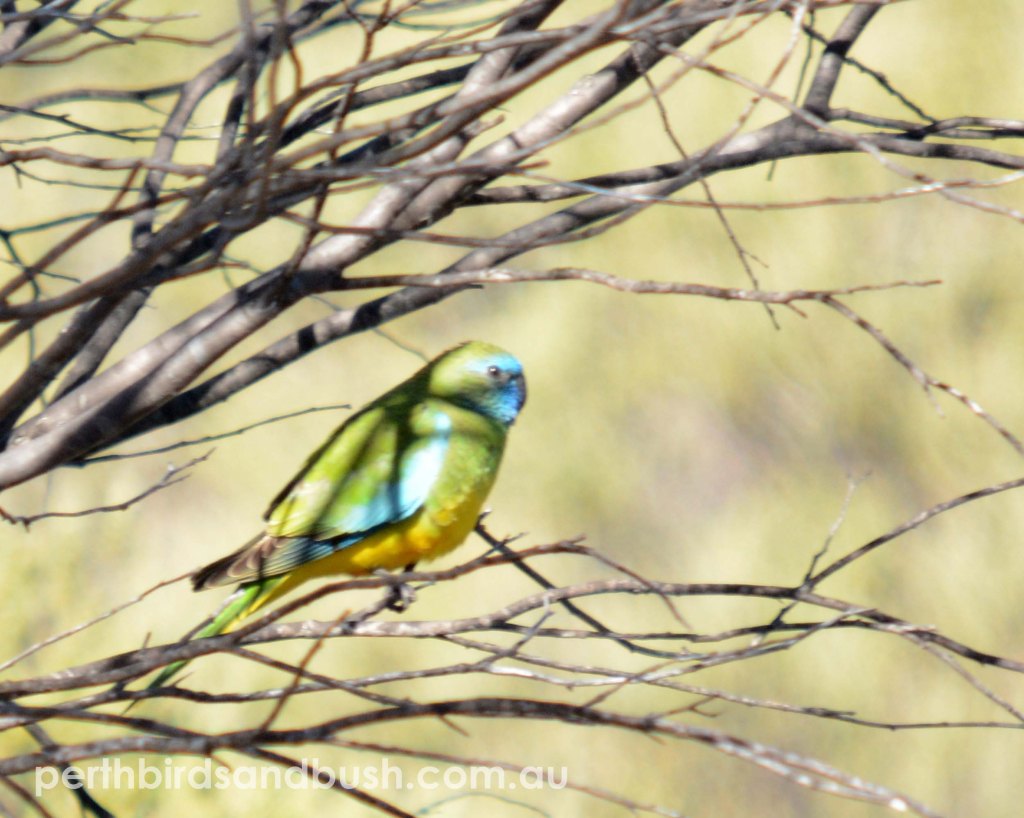
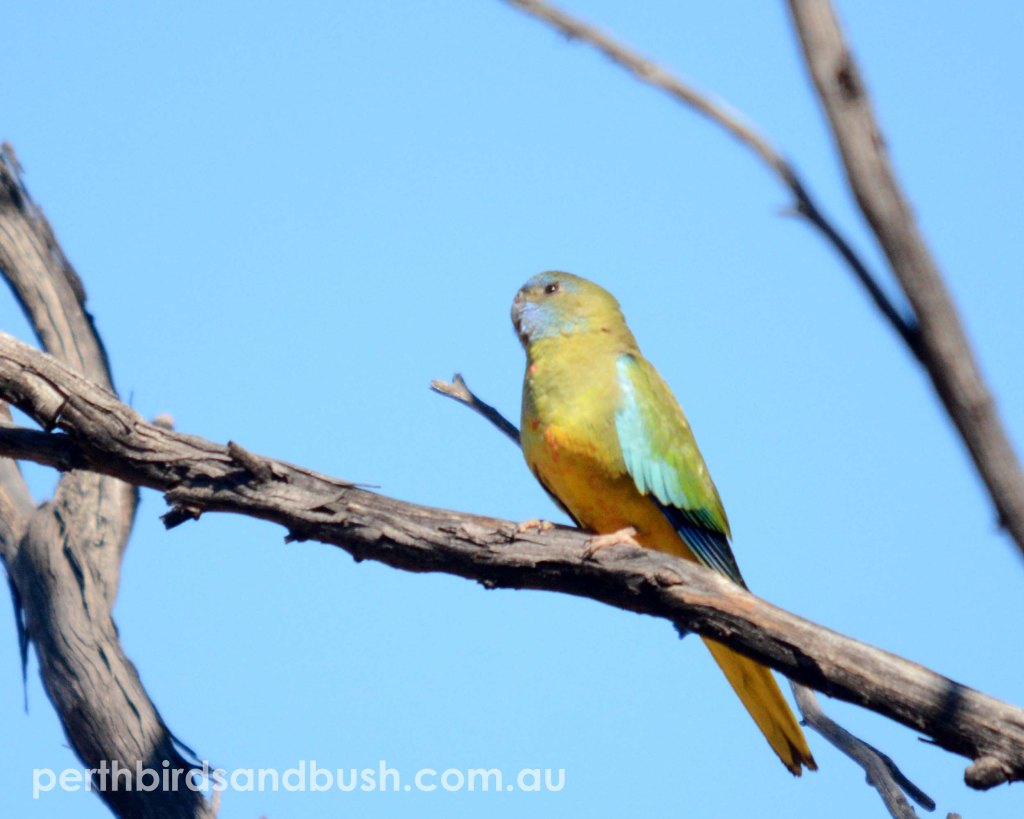
Female adult with a gorgeous bright blue face and no scarlet chest. When these parrots flew the outer yellow tale feathers were a real treat! The blue, yellow and green are really superb bright colours!
Immature male with a dark bill and a few flecks of red on the chest and more blue on the face than the juvenile.

We decided it was time for morning tea and have a bit more of a think about what to do next. We decided to scout around a few tracks in the car to see whether there were more birds in the near vicinity but this was fruitless. So we went to a spot near where we found the parrots to walk thru some different patches of bush. At one point I got a distant glimpse of a male with a scarlet chest but we couldn’t find it again. Eventually we found another immature male with much more red on the chest back at our original location.
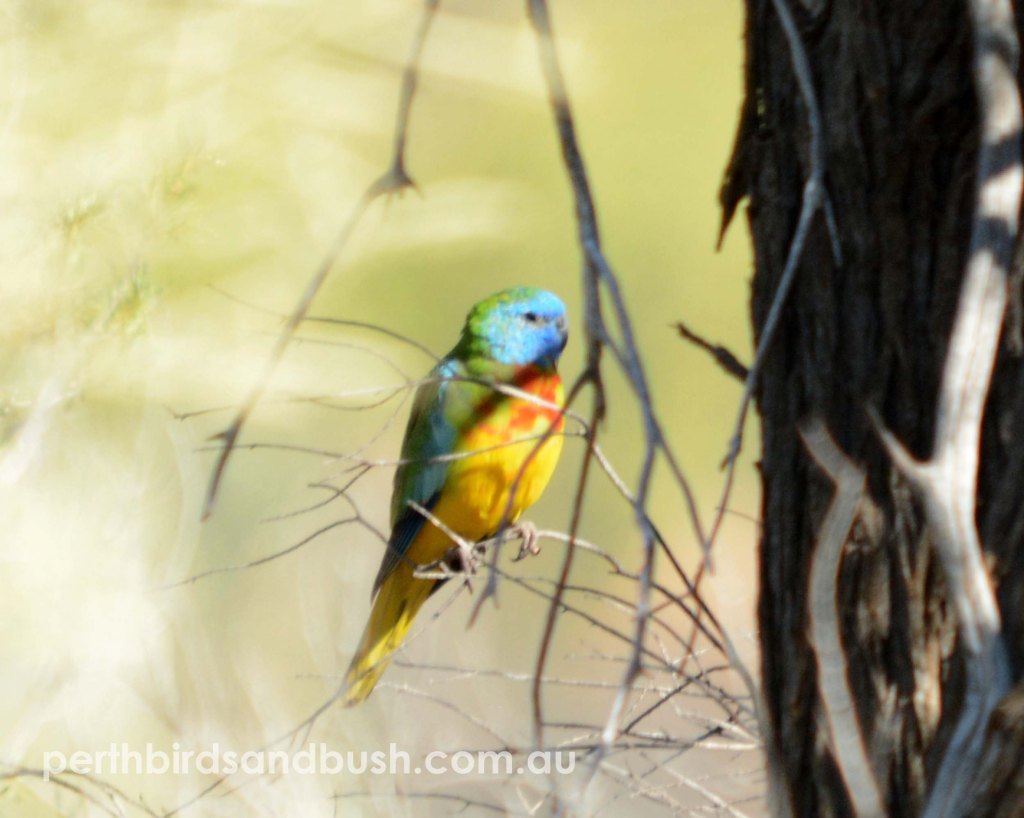
Older immature male with more extensive scarlet on the breast, really stunning blue face and absolutely gorgeous yellow underparts! Its not called Neophema splendida for nothing!

After seeing this stunner we decided to take our time heading back to Coolgardie and enjoy some other spots and birds. There were a few wildflowers out and we found Rowles Lagoon to be full of water with lots of Zebra Finches in the camp area. That night we celebrated with a delicious meal at the Denver City Hotel! A very successful trip and many thanks to the birders who found these delightful birds!
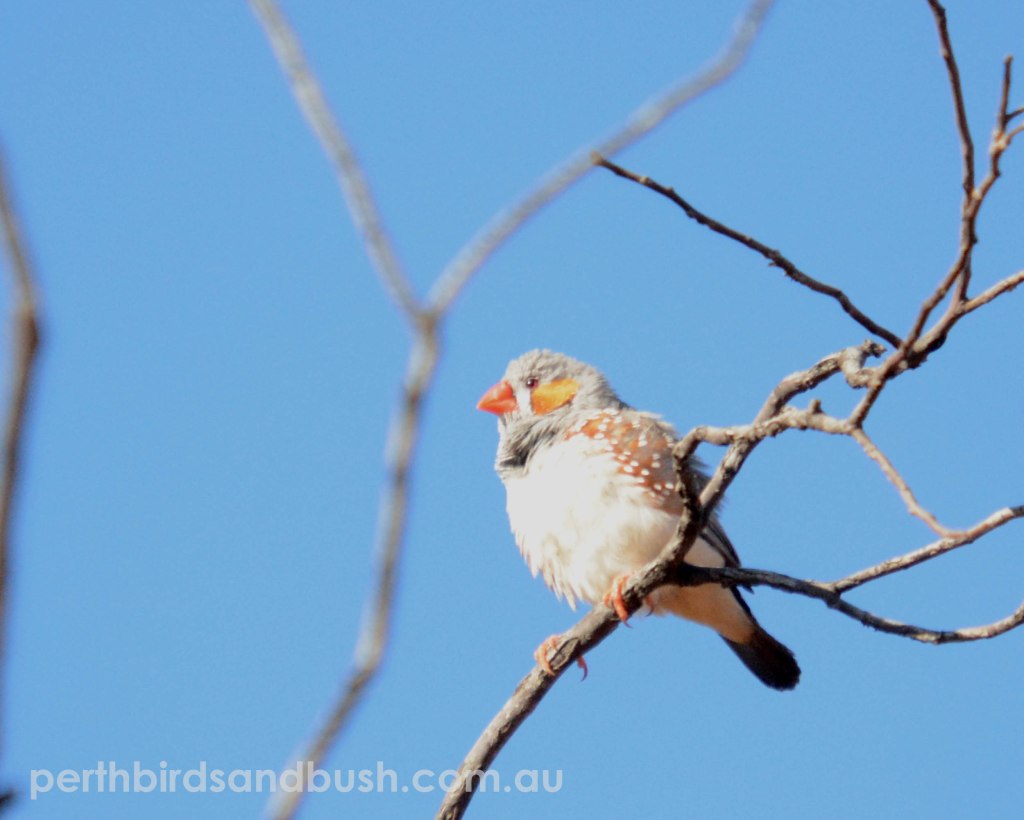
Zebra Finch at Rowles Lagoon
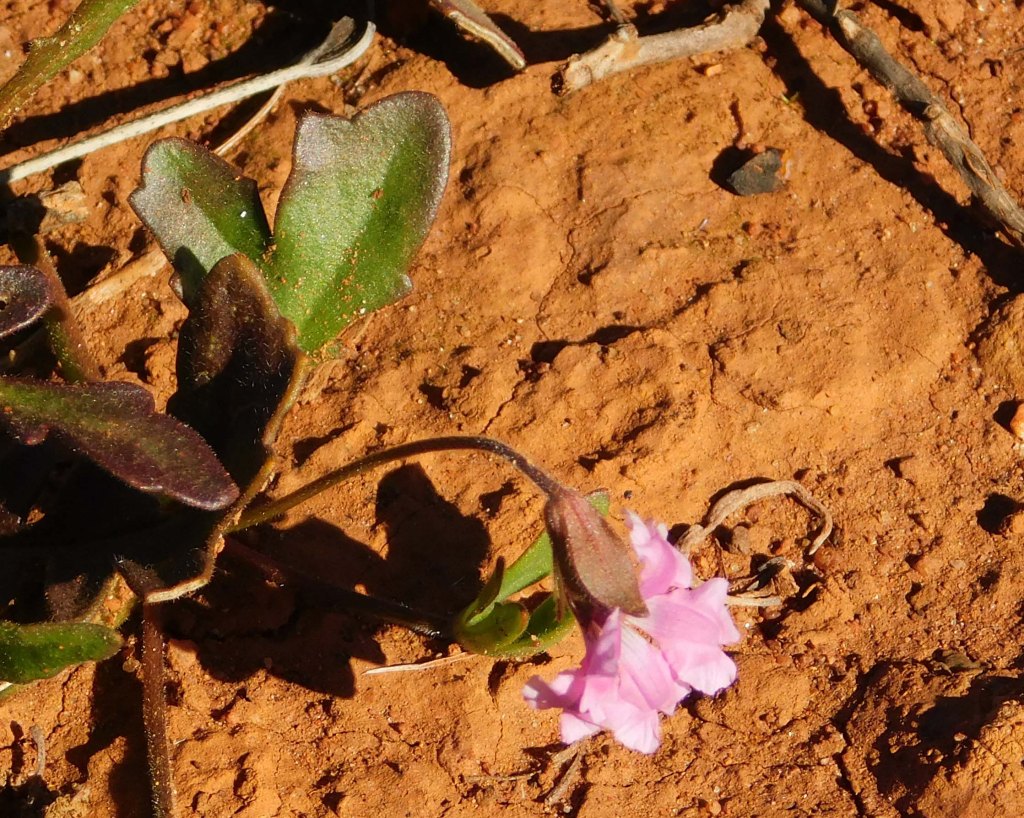
Velleia Rosea/Goodenia rosea was just starting to bloom.
Eucalyptus oleosa flowering along the Coolgardie North Road.
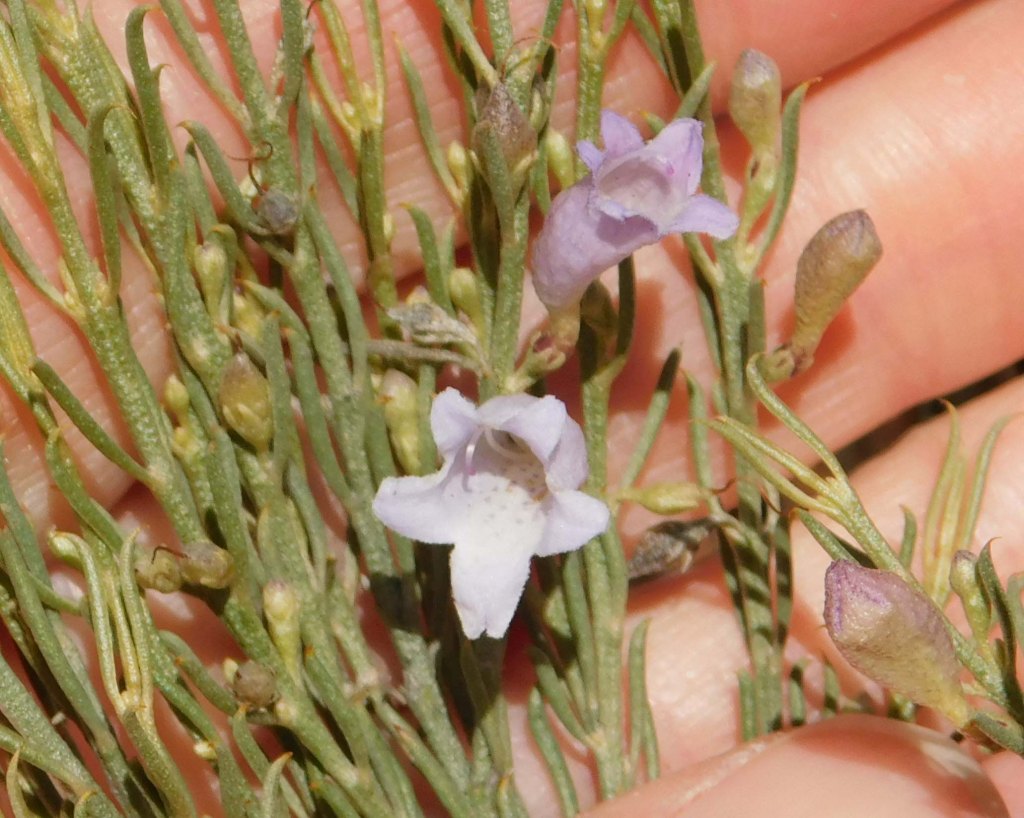
Eremophila scoparia is a super common goldfields species and it was just starting to flower. As was Eremophila granitica.
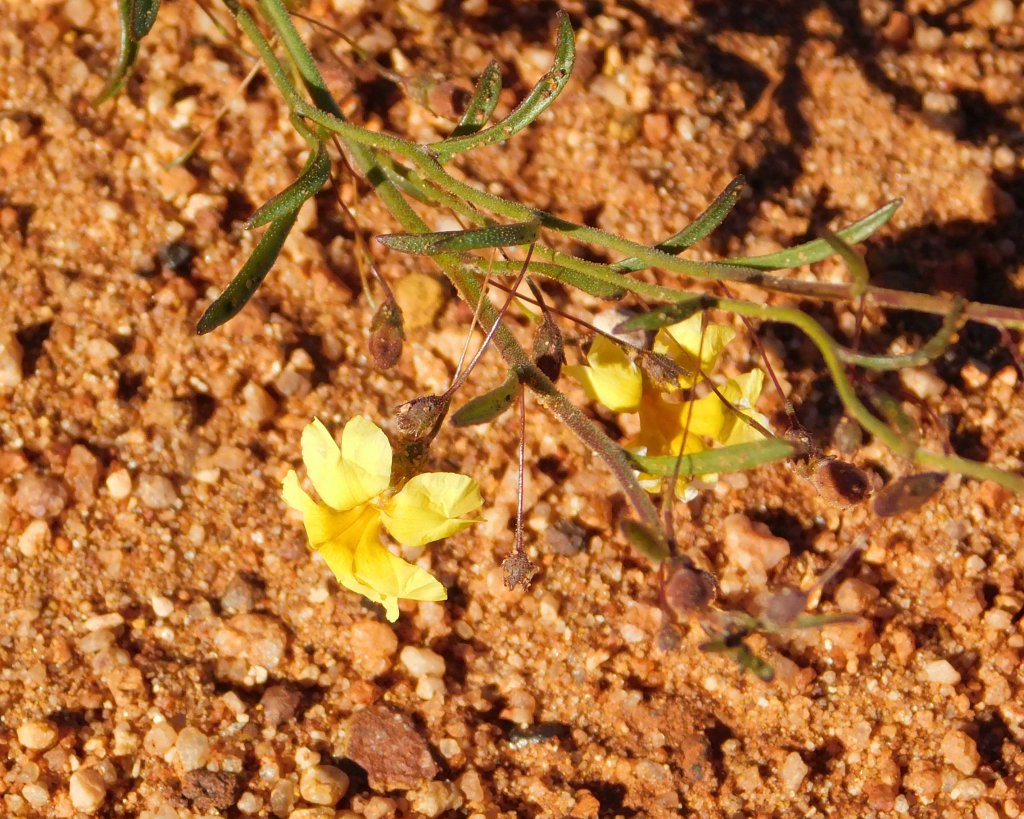
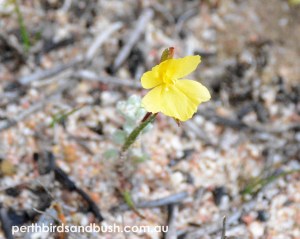
Goodenia havilandii growing on the verge on the Coolgardie North road on Credo Station.

Swampy September Wildflowers

Wow it’s that time of the year! The Wildflowers are looking magnificent and there are hundreds of different species in bloom in and around the Perth Metropolitan area.

One type of habitat that really appeals to wildflower lovers but is poorly misunderstood by the general public are swamps, creek flood plains and damp lands. They have a great species diversity as they tend to have wet, damp and dry ground which provide a mix of different flower groups. Some of the stunning September flowers in these damp areas are below:

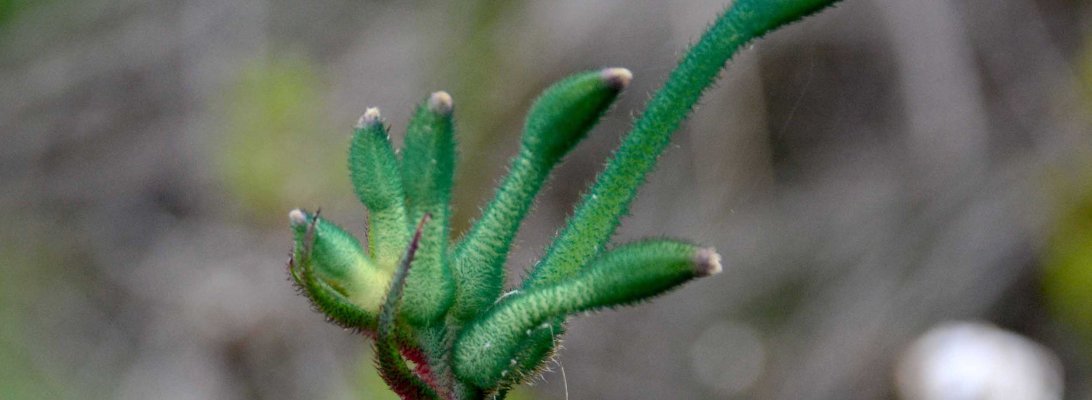
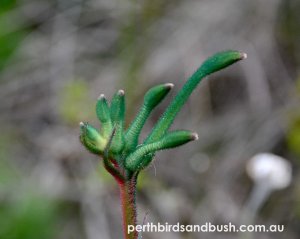
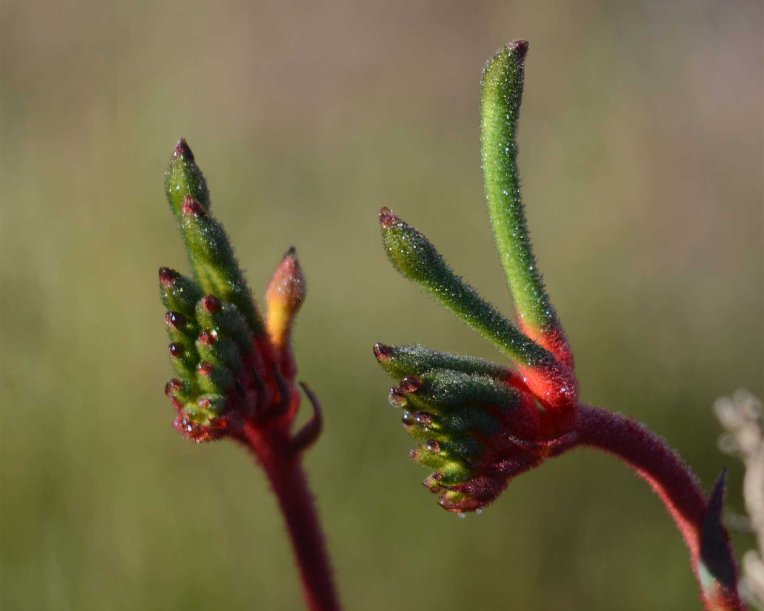
Green Kangaroo Paw (Anigozanthos viridis) flowers August to Oct.

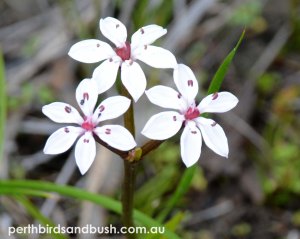
Dwarf Milkmaids (Burchardia multiflora) July to October.

Rusty Spider Orchid (Caladenia ferruginea) flowers in Sept and October.

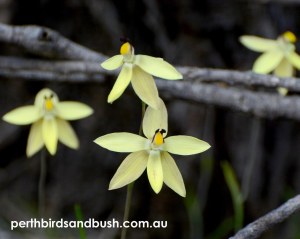
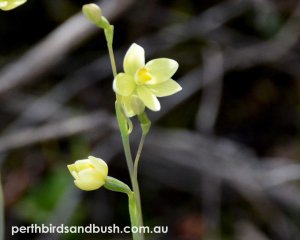
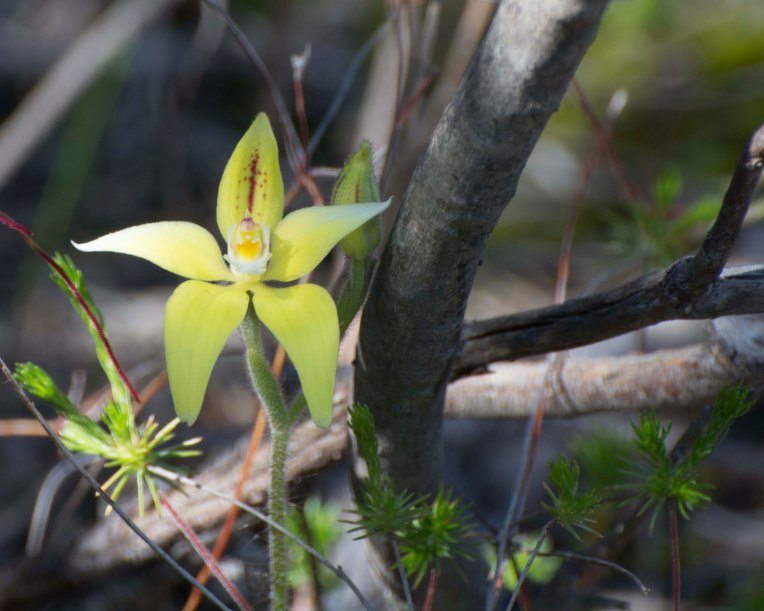
Cowslip Orchid (Caladenia flava) flowers July to November.

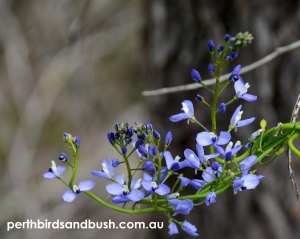
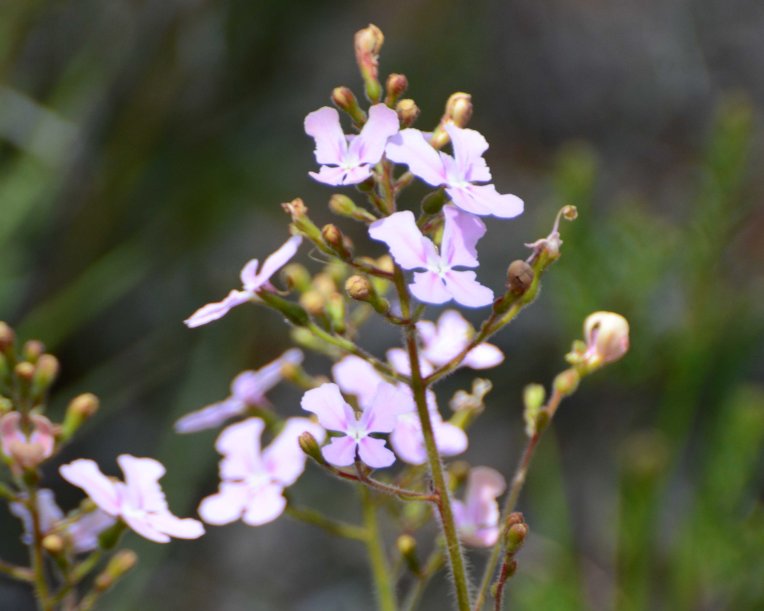
Comesperma ciliatum flowers from September to December.

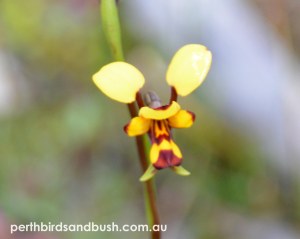
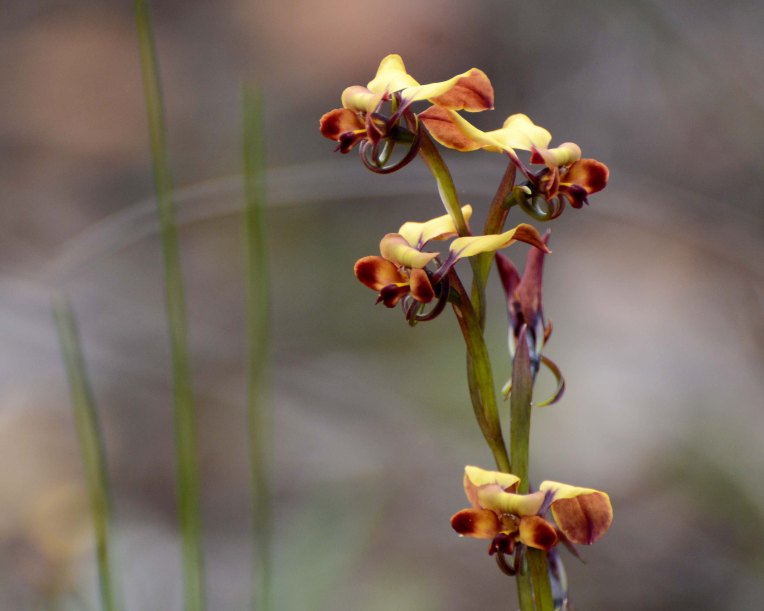
Bee Orchid (Diuris laxiflora) flowers from September to November.

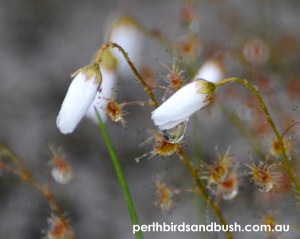
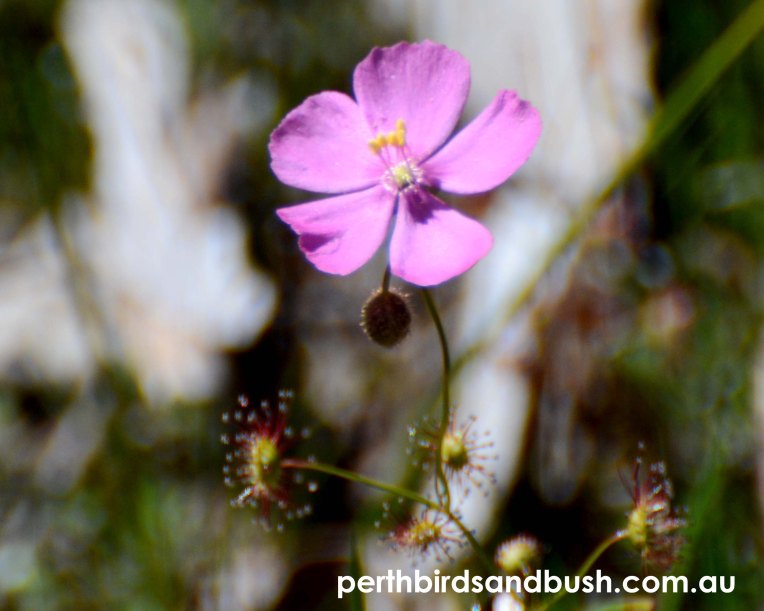
Drosera menziesii is a carniverous plant that flowers from September to October.

Swamp Rainbow (Drosera heterophylla) flowers from June to September.

Butterfly Plant (Philydrella sp.) flowers August to November.

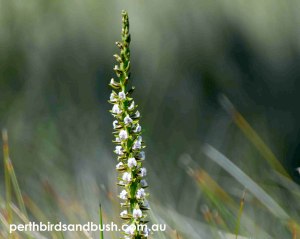
Fringed Leek Orchid (Prasophyllum fimbria) flowers from June to September.

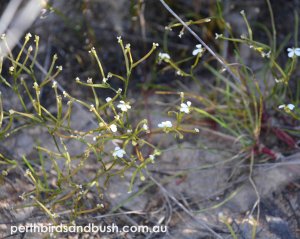
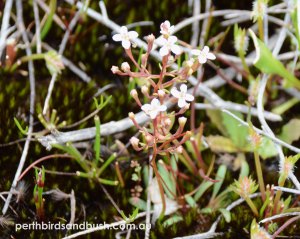
There are 4 small Stylidium species in this photo in a creek edge damp land.

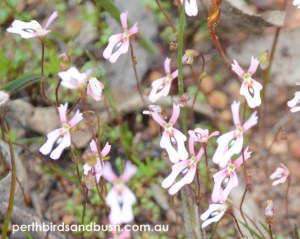
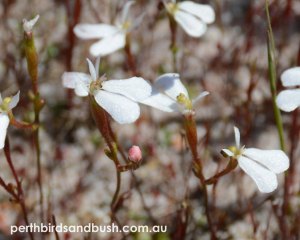
Daddy-long-legs (Stylidium divaricatum) flowers from September to December.

Foot Triggerplant (Stylidium ecorne) flowers September to November.

Jumping Jacks (Stylidium longitubum) flowers in Spring.

Pinafore Triggerplant (Stylidium obtusatum) flowers from September to November.

Thumbellina Triggerplant (Stylidium pulchellum) flowers from Sep to Dec.

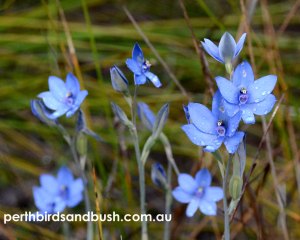
Blue Lady (Thelymitra crinita) flowers September to December.

Vanilla Orchid (Thelymitra antennifera) flower from July to October.

Twisted Sun Orchid (Thelymitra flexuosa) flowers September to October.

Pink Petticoats (Utricularia multifida) flowers in July to December.

Walking Beeliar Wetlands Part3

This section of the walk was done two halves. Not because the walk was going to be too long! But as I do shorebird counts each winter and summer at Thomson’s Lake and Kogolup Lake. Doing shorebird counts takes more time as you need to get a good view of all (or nearly all) of the water birds at the lake. These counts for BirdLife Australia’s National Shorebird Program.

So on the 7 July I stepped off where I ended at the south end of Yangebup Lake to walk Kogolup Lake and Swamp and on 7 August I went around Thomson’s Lake.

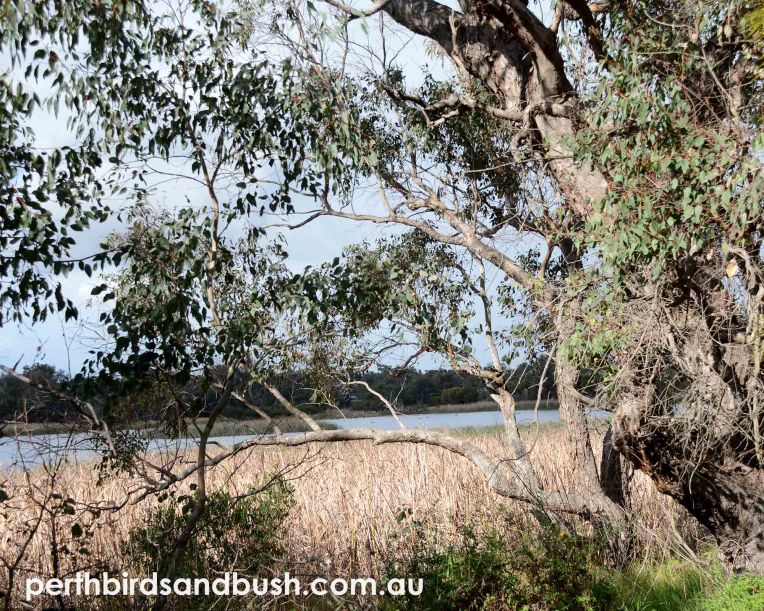
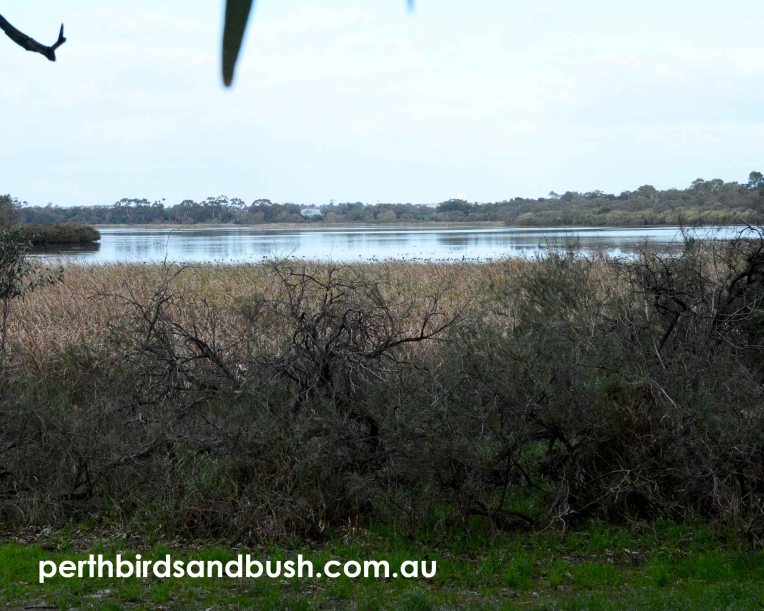
The walk trail is on the west side of Kogolup Lake.

There were a few wild flowers in bloom but in July there are only a few flowers out. The birds were busy feeding in the bush but there was not many waterbirds. In late winter and early spring there is lots of water in most of the lakes and the water birds spread out over more wetlands.

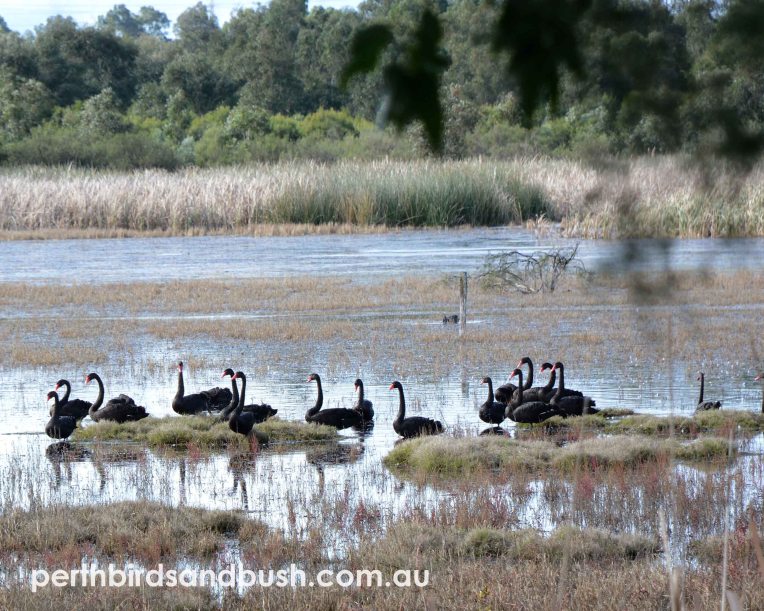
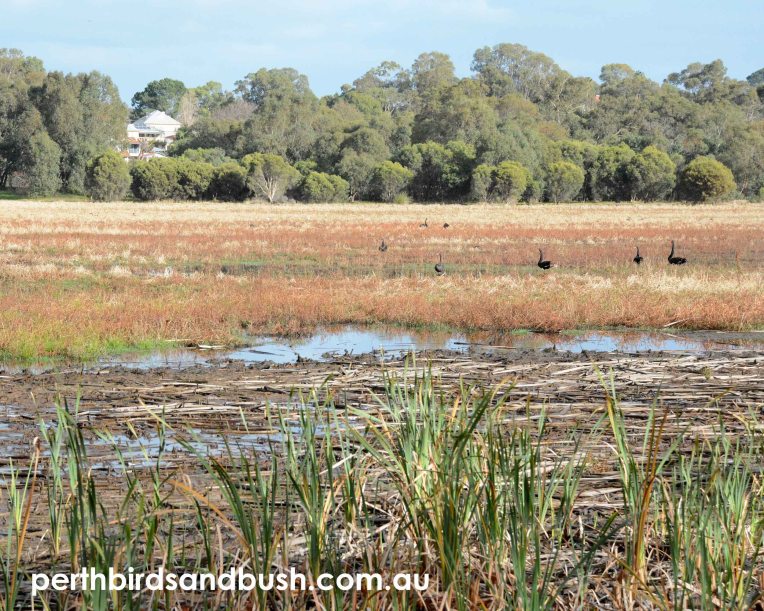
There were a lot of Black Swans on Kogolup Lake.

In total I saw 38 species of birds with the most seen being 137 Black Swan, 67 Australasian Shoveller and 52 Australasian Swamphen. It was very pleasing to see and hear a Fan-tailed Cuckoo calling from a high tree branch.

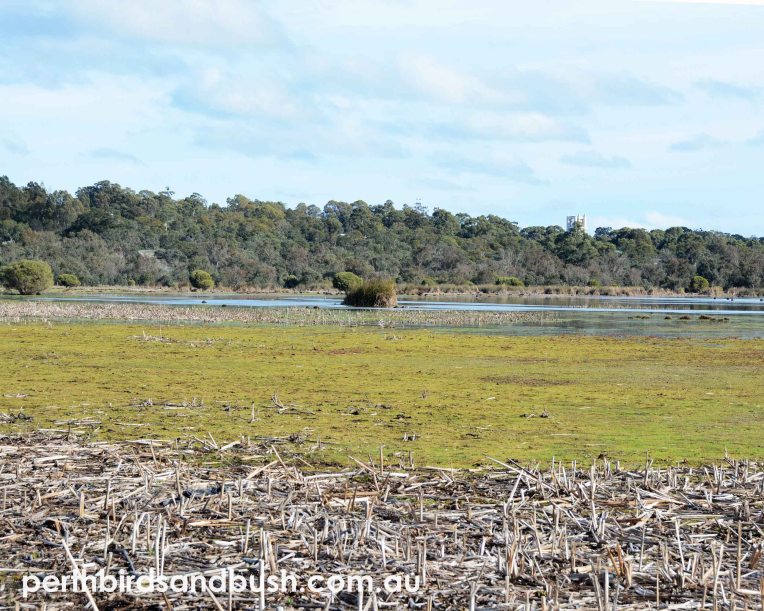
Kogolup Lake has a lot of bullrushes growing on its western side.

The survey also recorded 26 Rainbow Lorikeet, only 1 Australian Ringneck parrot and no Red-capped Parrots. This is very sad reflection of how this invasive lorikeet is taking over habitat and pushing our native parrots out of the Perth area.

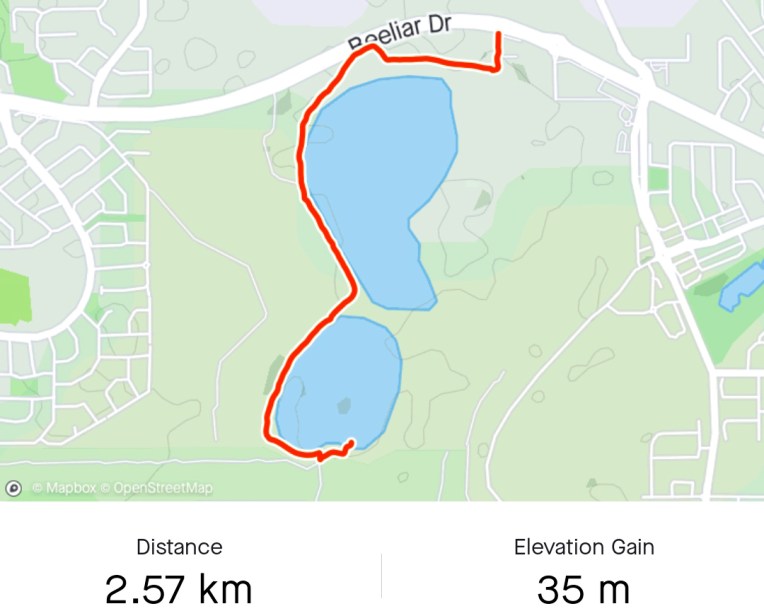
The path walked along the west side of Kogolup Lake. This has only recorded half of the walk as the app went a bit crazy on the return journey!

Thomson’s Lake is a Ramsar Wetland of International Importance and a much bigger open wetland than the twin wetlands of Kogolup.

Thomson’s Lake in early August was filling up but still had a large damp edge.

As the lake was still very shallow, the water bird diversity was quite poor. But there was 270 Black Swans present with a number of them constructing large nests. Virtually all of the Typha has been removed from the lake in the past few years and it is interesting to see the swan nests out in the open. This may make predation of the nests more likely.

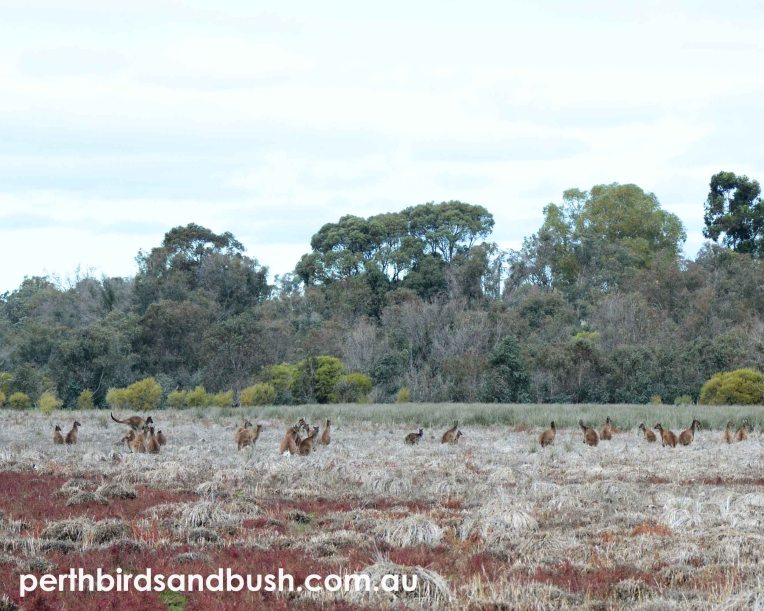
There are hundreds of Western Grey Kangaroos in the Thomson’s Lake reserve. They often feed at the edge of the lake.

A total of 39 bird species was recorded for the National Shorebird count at Thomson’s Lake. The summer shorebird counts always have more species and a greater number of water birds.

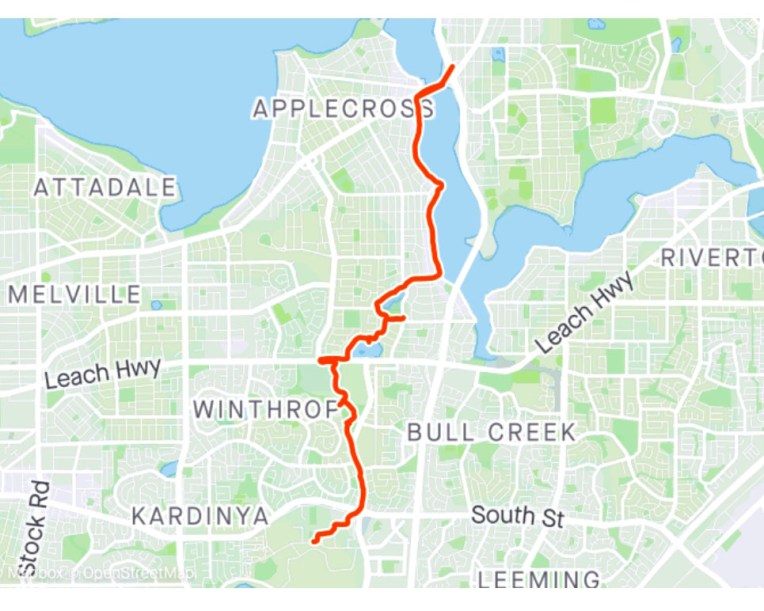
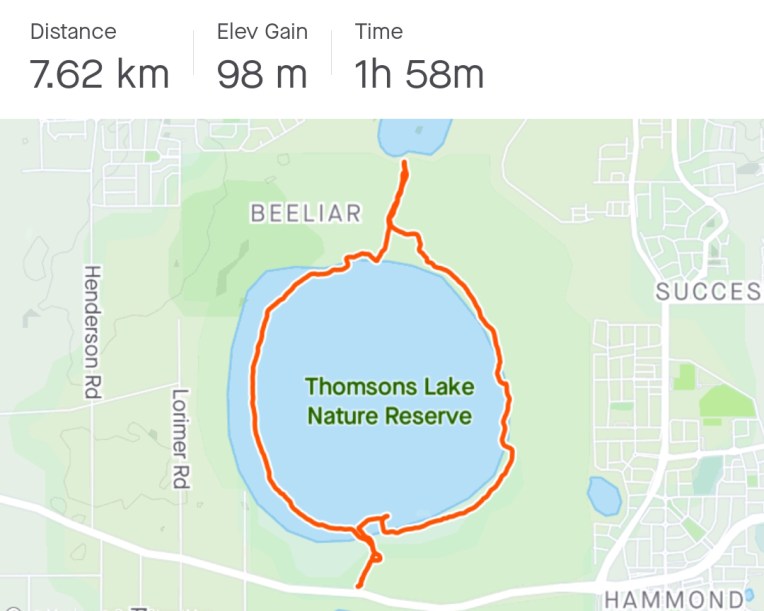
The walk taken at Thomson’s Lake is marked in red.

It was interesting that at Thomson’s Lake there was only 6 Rainbow Lorikeet recorded, while 6 Australian Ringneck Parrots and 2 Red-capped Parrots were recorded. This wetland is surrounded by more bush and market gardens, rather than suburban house blocks.

Thomson’s Lake has a walk path that goes around the lake, however, in late winter and early spring you need to wear rubber boots as a section of the path is covered in water. This is because at this time of the year a drain from the east of the lake is flowing into the reserve and the water goes over the track.

There is one section left to walk but I will not be have time to do this section until some time in September. Now that the wildflowers are out I am very busy looking for new wildflower sites and species that I haven’t seen before. So I suspect that my next blog post will be a wildflower one! It is looking like a good wildflower season!

Walking Beeliar Wetlands Part2

The second part of the walk started at Murdoch University and finished at the south end of Yangebup Lake. This was an enjoyable walk and largely thru natural areas. This part of the walk went past Frog Swamp, North Lake, Bibra Lake, South Lake, Little Rush Lake and Yangebup Lake as well as the bushland in the south of Murdoch University. It was a beautiful sunny winters day which must be the perfect conditions for walking!

I have to confess I did this walk in late June 2020 and have been very slow to write this in my blog! So it is likely that there is more water in the lakes now as we have had more winter rain since my walk. Our wetland water levels usually peak in October when the bulk of our annual rainfall has occurred.

North Lake was starting to fill and the Black Swans were gathering to build there nests.

Frog Swamp was still dry as this is a very shallow wetland but North Lake was starting to fill and the Black Swans were looking for food, a partner and a suitable nest site! There were only a few people walking in the North Lake Reserve and so it was very peaceful.

Bibra Lake had a good cover of water and there were hundreds of water birds using it.

Bibra Lake is deeper than North Lake and so had more water in it. It is also a much more popular place to walk, ride or jog around. There were a large number of Black-winged Stilts and a few Banded Stilts feeding on the lake as well as a good variety of ducks, heron and egrets. These could easily be seen from the two bird hides on the east side of the lake. I stopped for a delicious morning tea at The Bistrot Cafe which was bustling with happy diners.

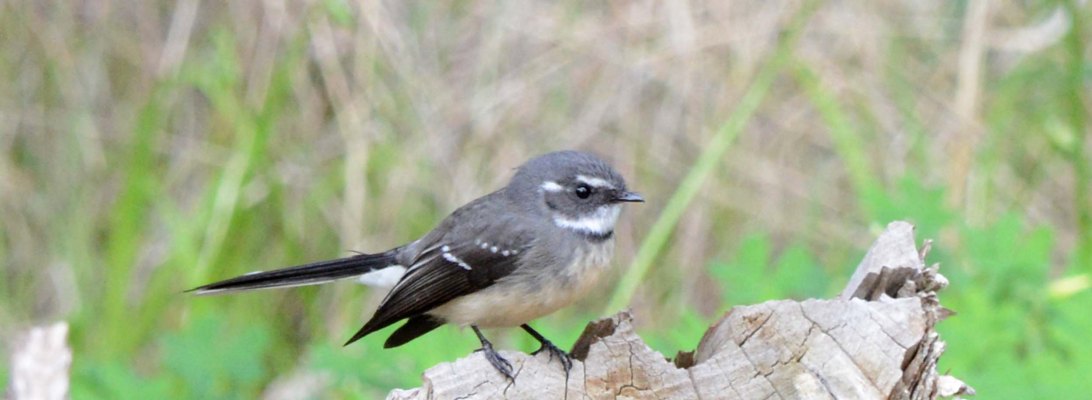
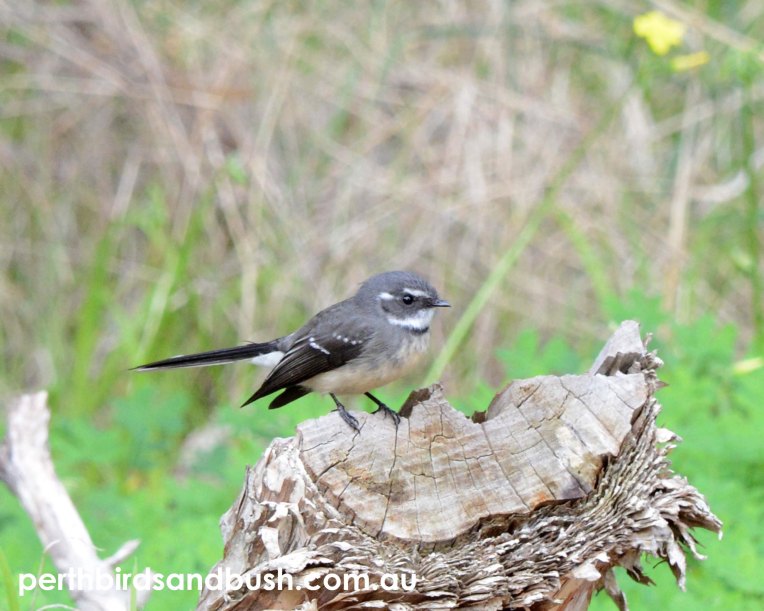
Grey Fantail at South Lake.

The South Lake reserve is a very quiet spot as it has no parking areas near it and is surrounded by other bush reserves and a light industrial area. The lake was filling up and there was water over most of the lake.

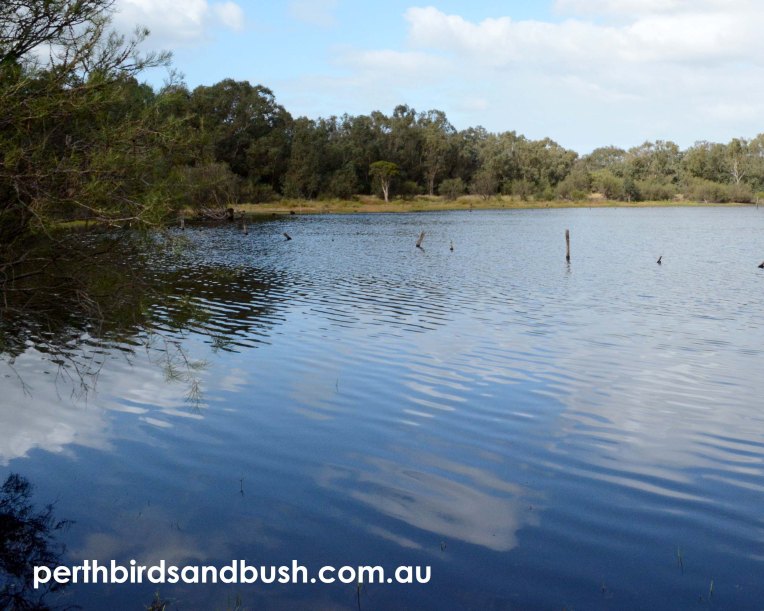
Little Rush Lake was once part of a farm and still has fence posts traversing it.

From South Lake you need to walk to North Lake Road to go around the railway line and then enter the Little Rush Lake Reserve. This is a nice small lake with a good limestone walk trail going around it. There was water in the lake but very few water birds. The biggest excitement on this part of the walk was seeing a Quenda or Southern Brown Bandicoot which quickly scampered into some thick bush when it saw me!

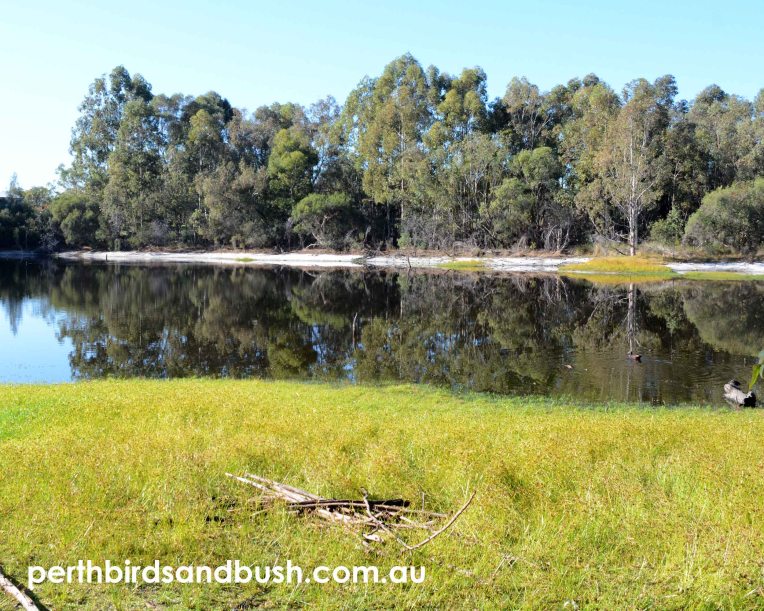
Yangebup Lake has sedges around the edge of most of the lake providing nesting habitat for reed-warblers, grassbirds, crakes and ducks.

The next and last lake on the mornings walk was Yangebup Lake. This is a large and very deep lake. It is the deepest of all the Beeliar wetlands and has water in it all year. This lake has a good firm bitumen walking path all the way around it. A bird hide was installed there in the north east of the lake earlier in the year.

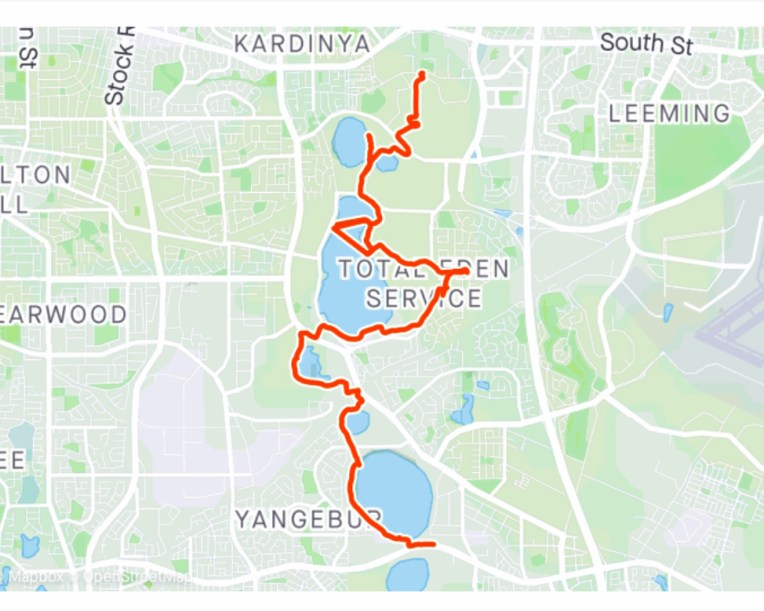
The walking route taken from Murdoch University to the south end of Yangebup lake.

In total the walk was about 16 kilometers with only about 135 meters elevation gain. It took me about 4 hours to walk which is quite slow but it was a relaxed pace that allowed enjoyment of the birds, flowers and scenery!

There are two more sections to go. One has already been completed and hopefully the blog post will be up  next week!

Walking Beeliar Wetlands Part1

The Beeliar Wetlands are made up of two chains of lakes and swamps directly south of the Swan River and close to the coast. Beeliar is the name of the Aboriginal group who lived in this area and these lakes were important places to them due to the high food productivity of wetlands and their spiritual significance. The wetlands are in “chains” as they are between the large dunes that run parallel to the coast.

As restrictions eased during the Covid-19 pandemic, I decided to walked the wetlands of the second chain (between the second and third dunes) from north to south. It was interesting to get a new perspective of these wetlands through their connectivity and provide some much needed exercise and fresh air!

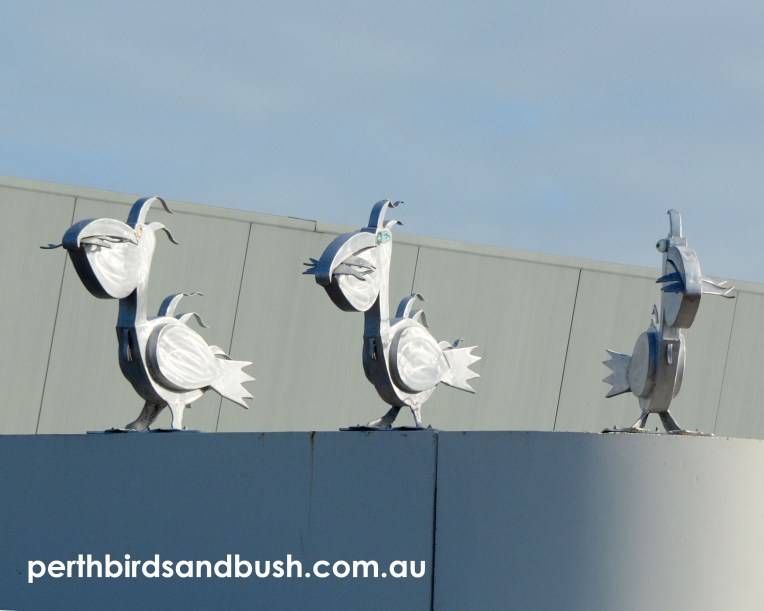
This Pelican Sculpture was great to see next to Canning Bridge as Australian Pelicans are often resting on the street lights on the bridge.

The first section I did was from the Canning Bridge Train station to the middle of Murdoch University. This went along the Canning River to Booragoon Lake, Blue Gum Lake and Piney Lakes.

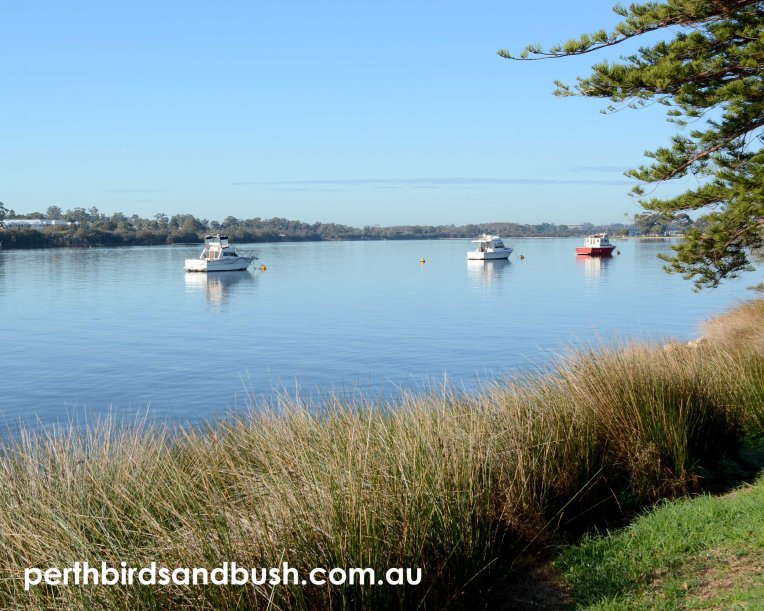
Boats on the Canning River.

This first part of the walk along the river was quite busy with people enjoying walks, jogging and canoeing on the river.

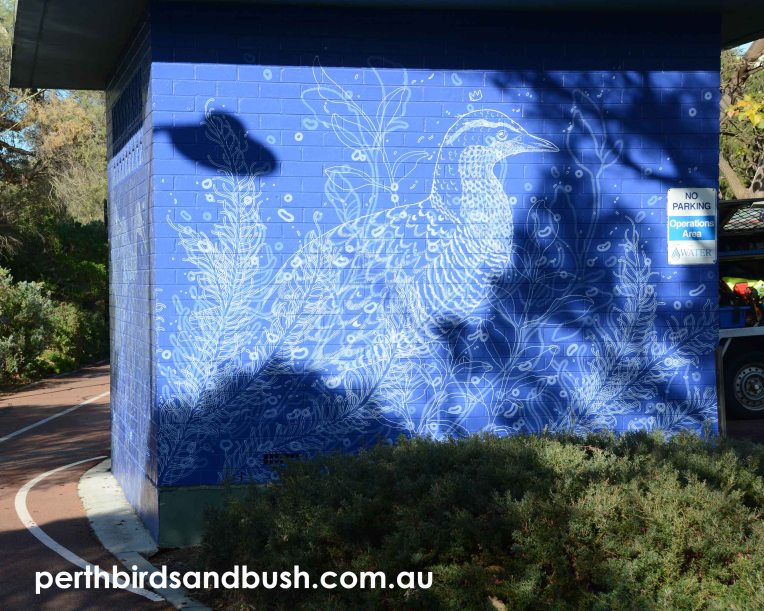
The artwork on this small building was very beautiful and featured a Buff-banded Rail.

It was wonderful to see quite a few art works that featured birds along this part of the river.

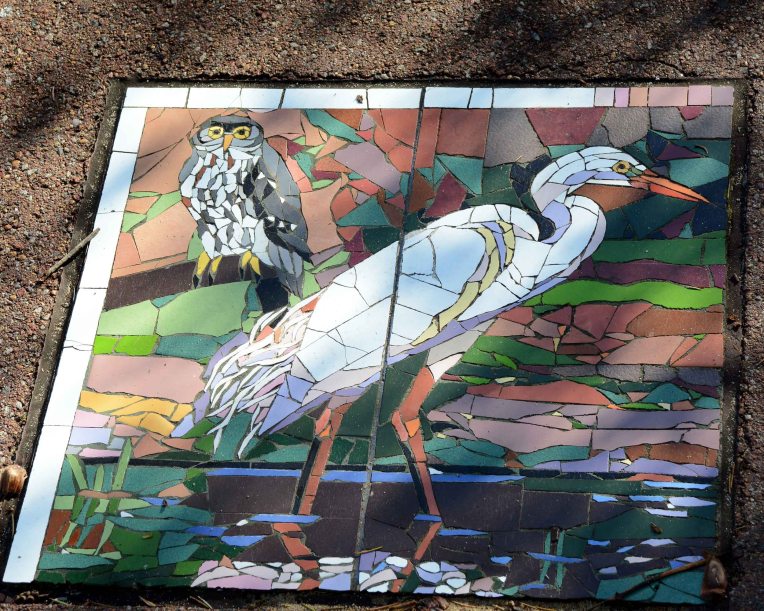
There are quite a number of beautiful mosaics on the foot path along the river, this one of a Great Egret was particularly lovely!

Between the river and the first lake their was a hill which would probably be the fourth dune from the coast. This area is all heavily developed and between the river and Blue Gum Lake Lake is housing.

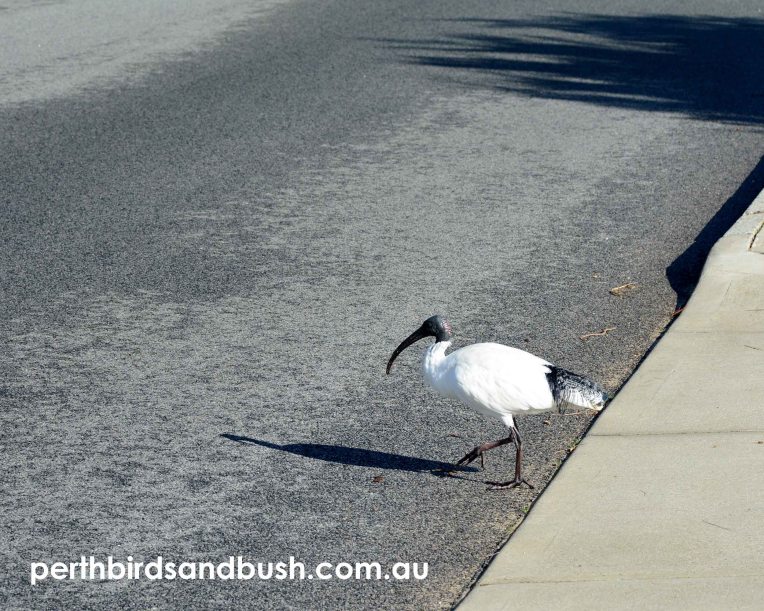
There were 5 Australian White Ibis eating insects from the gardens. This one crossed the road to assist in another garden. This made me realise that there was a good reason that the Big Chicken crossed the road!

During winter the lakes and swamps are still filling with water and usually reach their highest water level in October. Blue Gum Lake is a small wetland with an eastern deeper section and the western area is more like a swamp. The wetland has some good bush on the south side and the northern side has been steadily revegetated by the local council and Friends of Blue Gum Lake.

Blue Gum Lake had water in the deeper eastern section and two Australian Shelducks were there.

Between Blue Gum Lake and Booragoon Lake I enjoyed a lovely morning tea at Cafe Denada! The only way to walk from Blue Gum Lake to Booragoon Lake was by walking suburban streets, however, the school and recreation areas here provide some pleasing open space that is frequented by birds.

Booragoon Lake is a larger lake that is surrounded by paperbarks (Melaleuca) and Flooded Gum (Eucalyptus rudis). There are many paperbarks in the south west section of the lake which provide nesting habitat for ibis and cormorants.

Only Leach Highway separates Booragoon Lake and the Piney Lakes Reserve. It was necessary to walk to the traffic lights to cross the highway and this would be a major obstacle for any animals to try to cross. They could only walk across safely in the middle of the night.

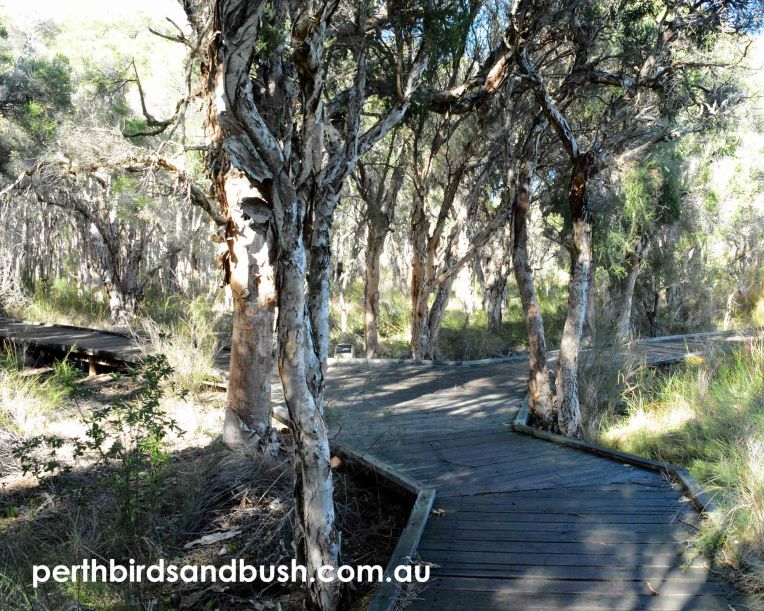
The boardwalk that goes through the swamp at Piney Lakes is shaded by many paperbarks and has several information signs along it.

Piney Lakes is a large reserve and includes some large areas of natural bush, grassed areas with barbeques and picnic tables, children’s playgrounds and an Environmental Centre. It is a quite a popular area for locals to exercise, have picnics and relax.

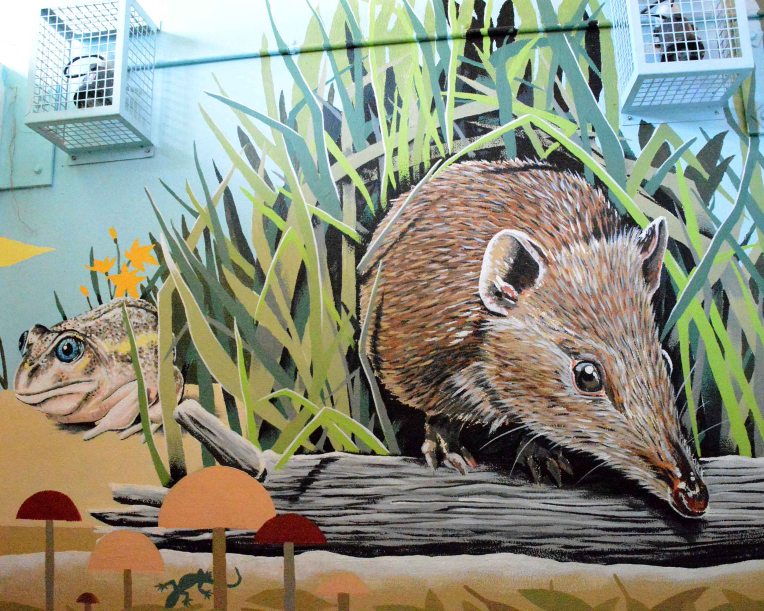
This beautiful mural can only be viewed by going to the toilet at Piney Lakes! It features a Quenda (Southern Brown Bandicoot and a Moaning Frog.

From Piney Lakes it is again necessary to walk thru suburban areas to Murdoch University. This includes crossing South Street which is as busy with cars as Leach Highway.

One of the bird highlights of the walk was a group of Red-tailed Black-Cockatoos feeding on Marri seeds in Piney Lakes reserve.

The entire walk was 12.4 km and took just me about 2.5 hours (including morning tea). I used the Strava phone app to track my path.

The map showing the path followed using the Strava app.

It would be wonderful to know how these places looked prior to European settlement. Obviously much more bush and birds. It would be interesting to know how much water would have been in the lakes then as well. Clearing the land to put in houses increases water flowing into the groundwater that fills these lakes but some of the water ends up in the sewerage system which is pumped to the ocean and garden bores pump water from the groundwater too.

Stayed tuned for Walking Beeliar Wetlands Part 2!

Mid-October Wildflower update

Wow time has flown by and it is over halfway through Spring! With the warmer weather this spring, our wildflowers here in Perth have just gone past the peak. But they are only just past the peak flowering and most flowers are still showing their glorious colours.

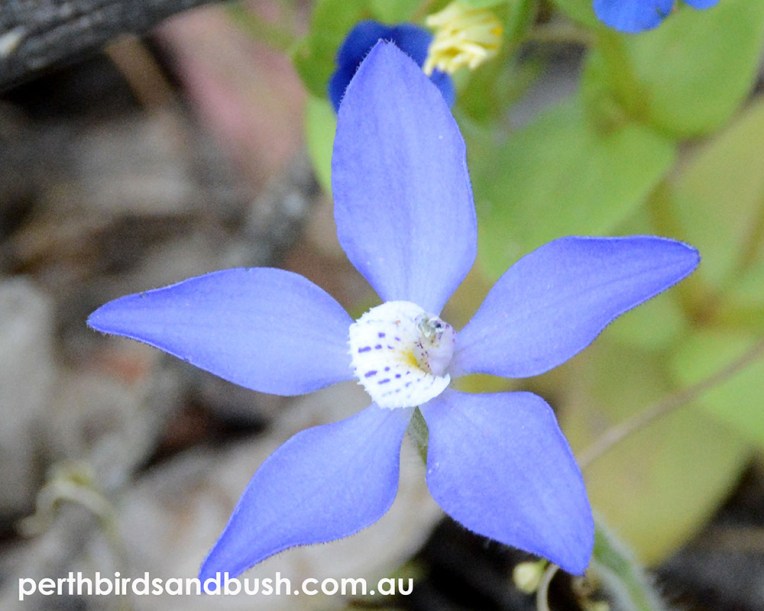
The daisies in the Wandoo woodlands are at there most brilliant and dazzling in white and yellow! There are also patches of Blue Lechenaultia along the road verges in the Darling Ranges and Wandoo Woodlands. The gorgeous yellow Common Popflowers are also along some verges in the Wandoo woodlands.

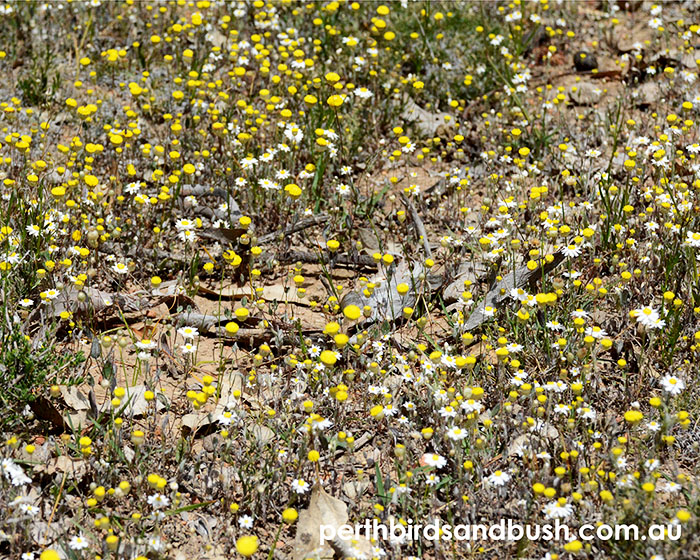
There are carpets of yellow and white Daisies on the floor of the Wandoo woodlands in mid to late October.

Some of the beautiful flowers that have been out in the last week are:

The Little Kangaroo Paw (Anigozanthos bicolor) flowers in Spring.

Calothamnus torulosus is a small shrub which flowers in Spring.

Diplolaena drummondii flowers from July to November and is a small shrub.

Pink Enamel Orchid (Elythrathera emarginata)
Pink Enamel Orchid (Elythrathera emarginata) flowers in September to December.

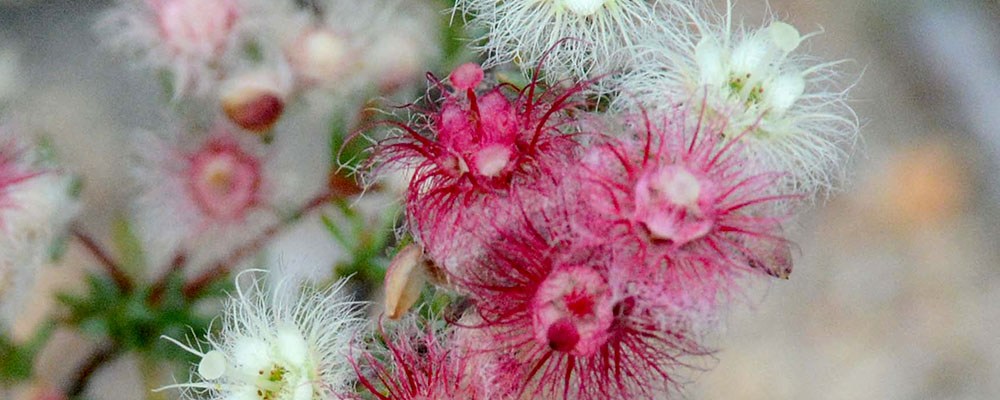
Variegated Featherflower (Verticordia huegelii) flowers from September to November.

Queen Trigger Plant (Stylidium affine) flowers from October to November.

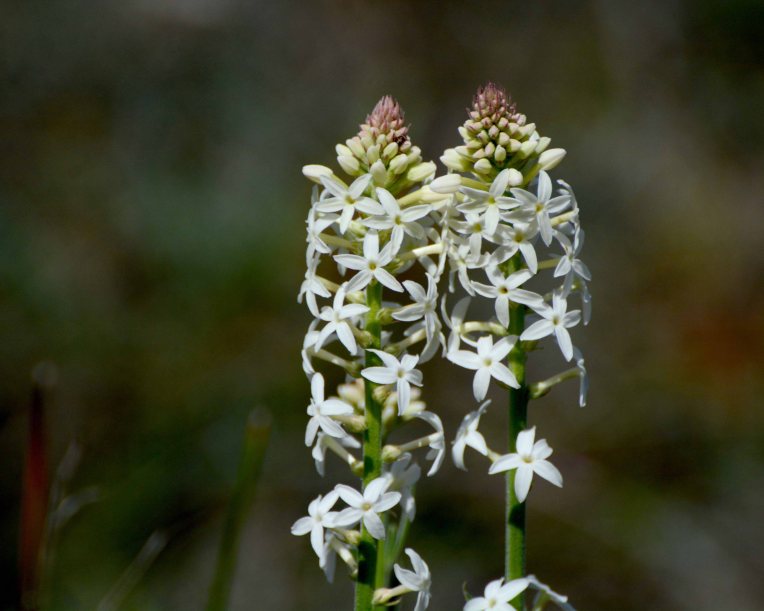
White Candles (Stackhousia monogyna) flowers in spring.

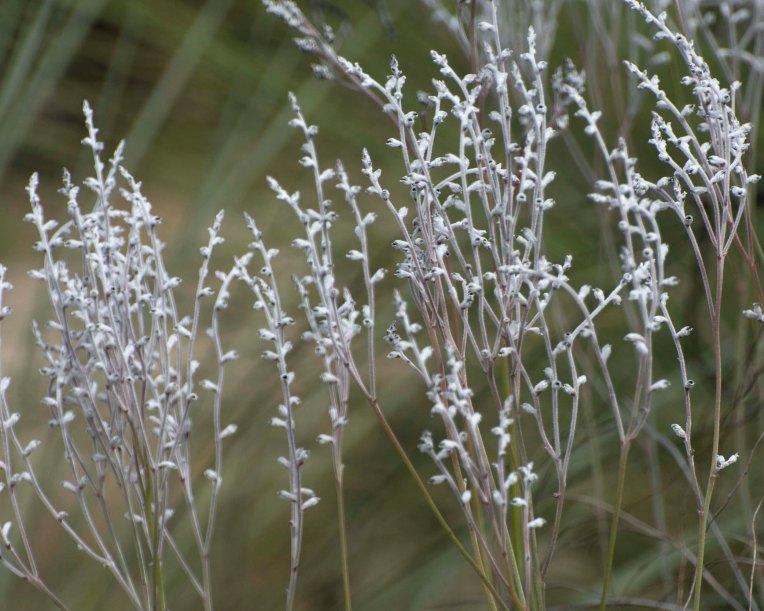
Common Smokebush (Conospermum stoechadis)
Common smokebush (Conospermum stoechadis) flowers in July to December.

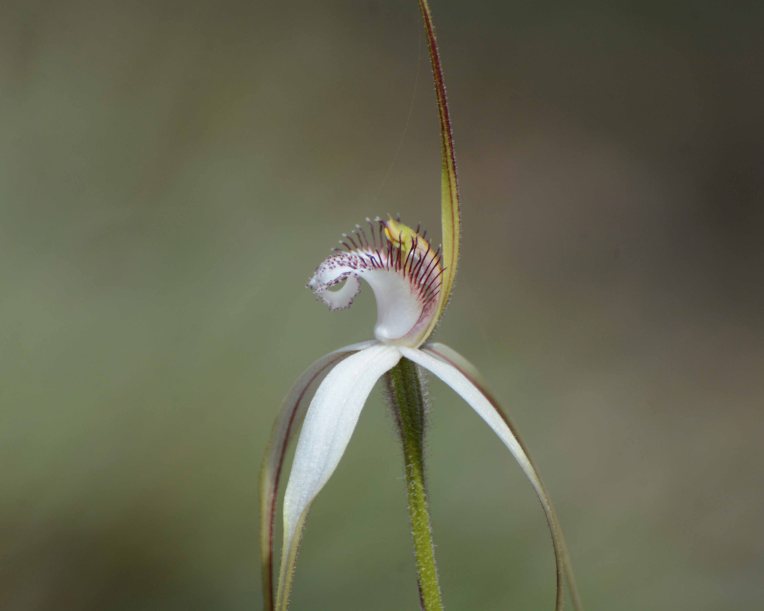
Caladenia Splendens
Splendid White Spider Orchid (Caladenia splendens) flowers in spring.

Drosera hyperostigma is a herb that flowers in October and November.

Sphaerolobium medium has very showy yellor or orange flowers from August to November.

Grey Cottonheads (Conostylis candicans) flowers from July to November.

Blue Lady (Thelymitra crinita) flowers September to December.

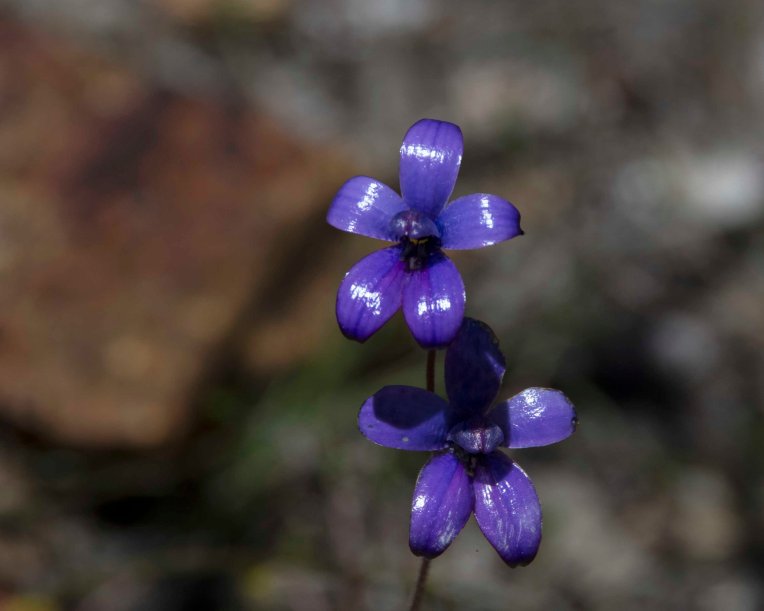
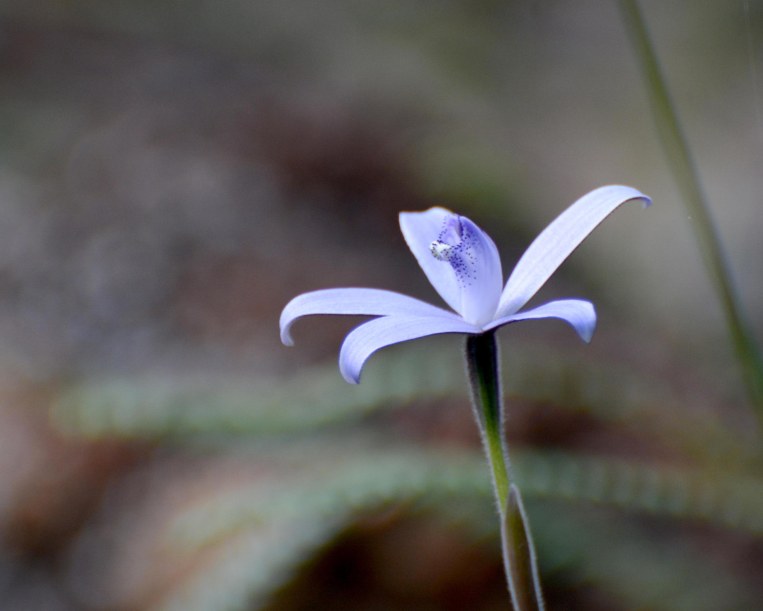
Blue China Orchid (Cyanicula gemmata) flowers from September to October.

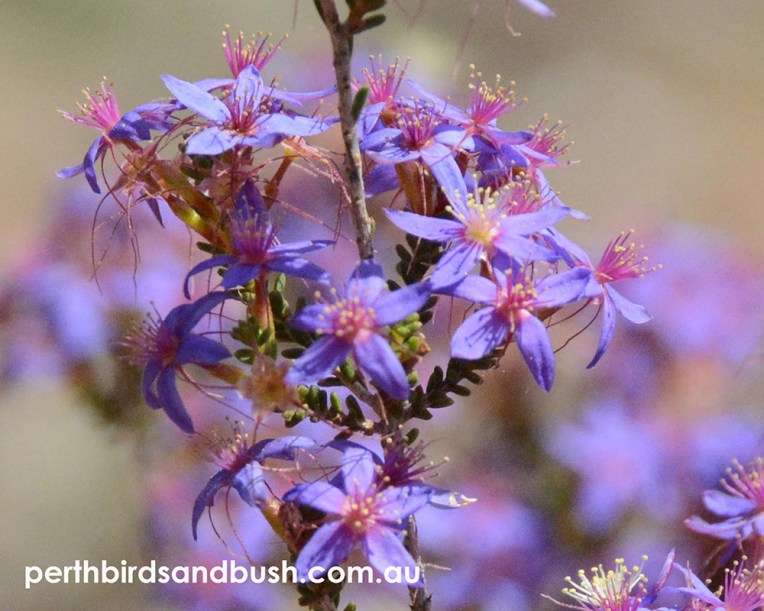
Calytrix sylvana is a small shrub that flowers from August to October

Purple Enamel Orchid (Elythranthera brunonis)
Purple Enamel Orchid (Elythranthera brunonis) flowers August to October.

There will be plenty of beautiful wildflowers to enjoy in the Perth area in glorious spring weather over the next few weeks. It’s well worth visiting the bush while there are still so many beautiful flowers out and before the hotter weather arrives.


Mid September Wildflower Update

Wow! The wildflowers are really looking beautiful at the moment but still not quite peaking yet. The spots that will become a blaze of colour still have quite a bit of green peaking thru the colourful blooms. Many of the carnivorous plants of the genus Drosera are flowering with Orange, Pink and White flowers (see some images below). Quite a few of the orchids are also flowering now.

The aroma as you walk through the hills is amazing! The Karri Hazel is absolutely at its best and, with the scientific name of Trymalium odoratissimum, you can understand that they have a strong perfume! The Honey Bush (Hakea lissocarpha) is also still covered in white flowers and fills the air with it’s sweet perfume.

Some of the flowers out now include:

Milkmaids (Burchardia umbellata)
Milkmaids (Burchardia umbellate) are a common and widespread wildflower.

Mayweed Sunray (Hyalosperma cotula) flowers from July to December.

Verticordia acerosa
Verticordia acerosa flowers August to November in the Darling Scarp.

Acacia drummondii
Drummond’s Wattle (Acacia drummondii) is found in the Perth Hills.

Vanilla Orchid (Thelymitra antennifera) flower from July to October. There flower centers look like faces with very long yellow noses!

Coral Vine (Kennedia coccinea) flowers from August to November.

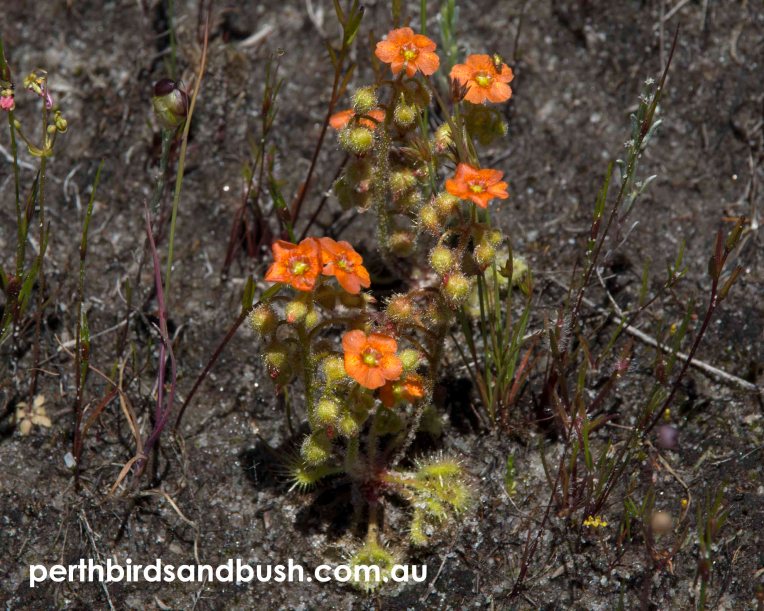
Pimpernel Sundew (Drosera glanduligera) is carniverous and flowers from August to November.

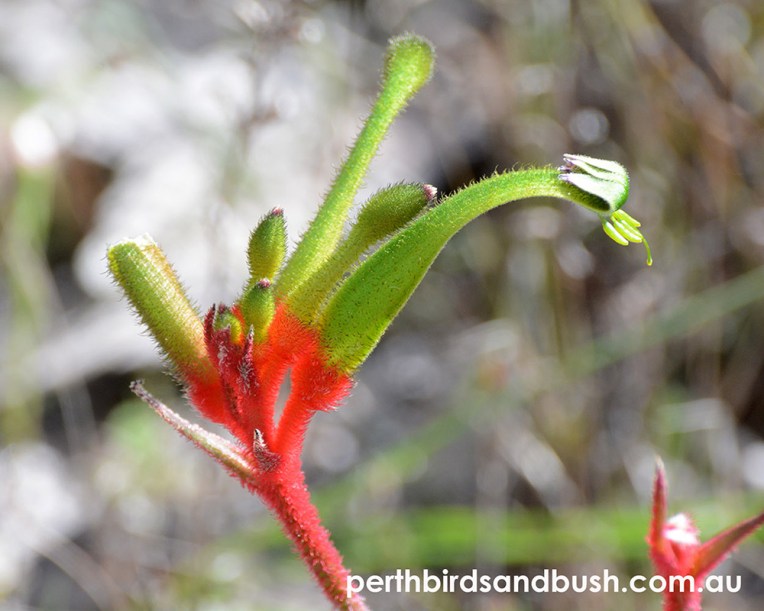
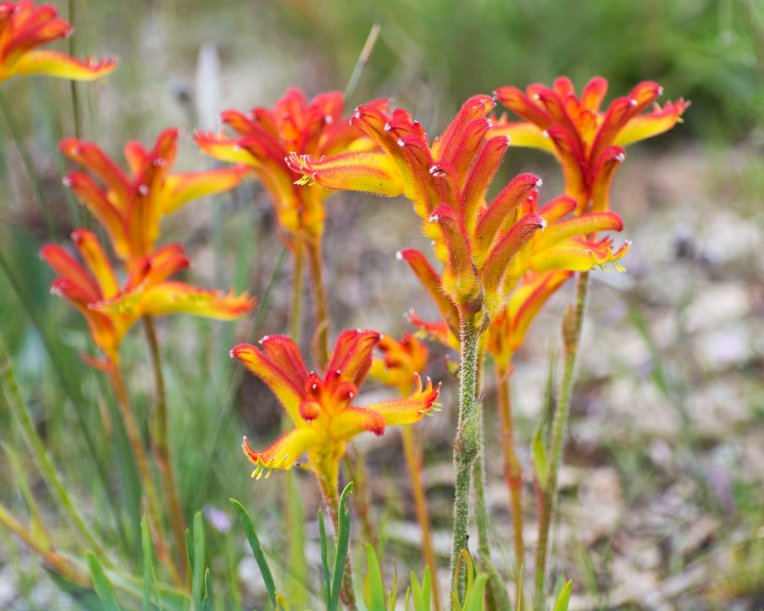
The Red and Green Kangaroo Paw is the state floral emblem for Western Australia.

Adenanthos barbiger
Adenanthos barbiger is found in the Perth hills and flowers most of the year.

Drosera menziesii is a carniverous plant that flowers from September to October.

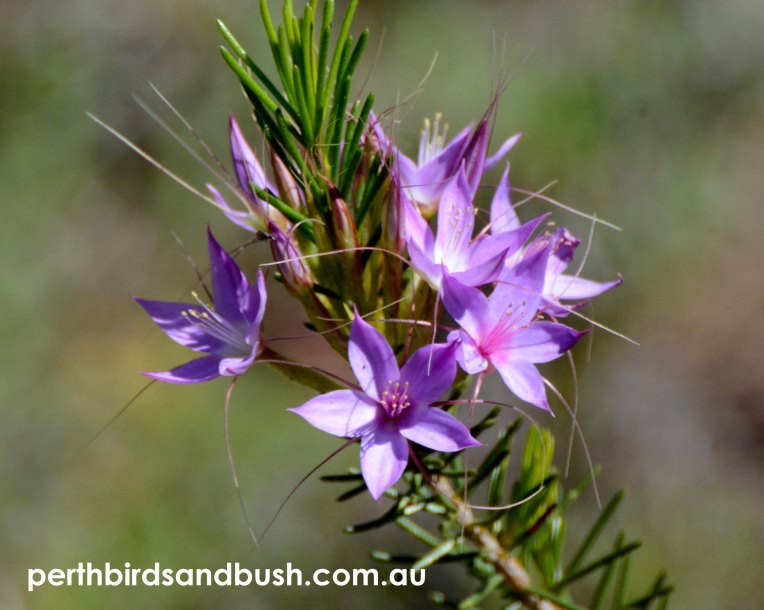
Sticky Starflower (Calytrix glutinosa) flowers September to October.

Sowerbaea laxiflora
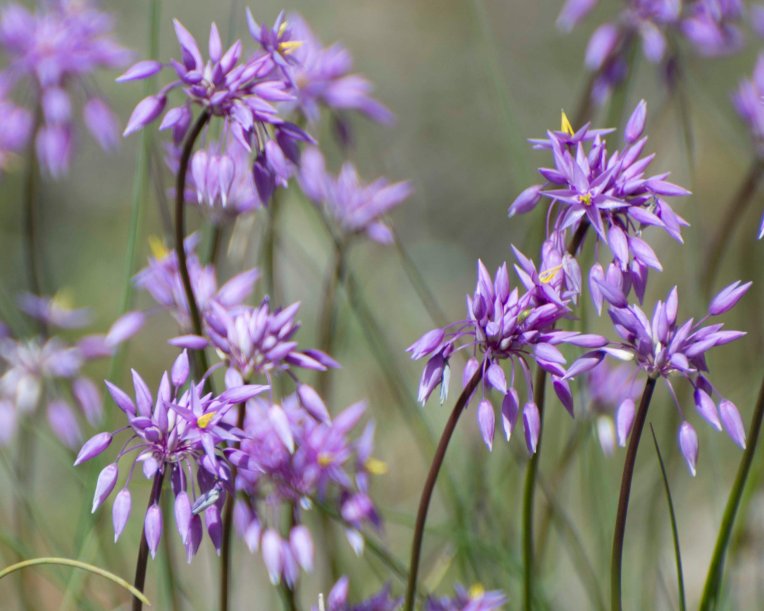
Purple Tassels (Sowerbaea laxiflora) flowers from August to November.

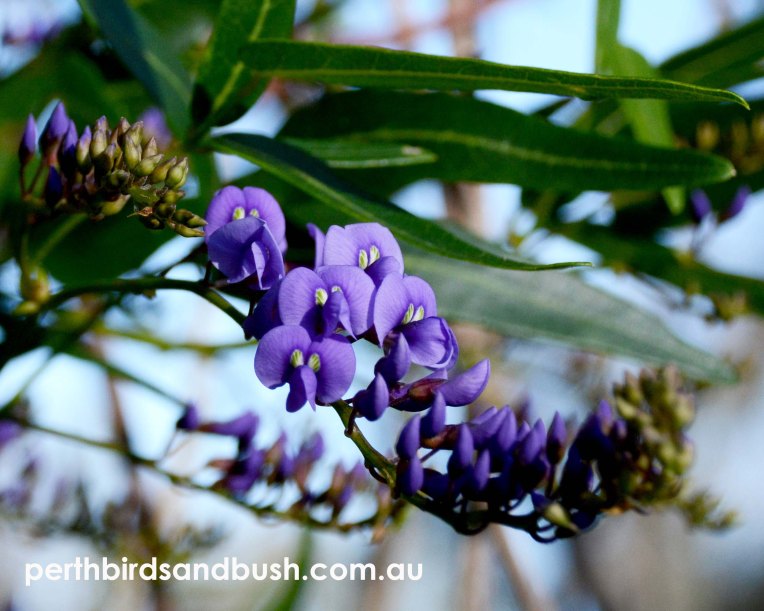
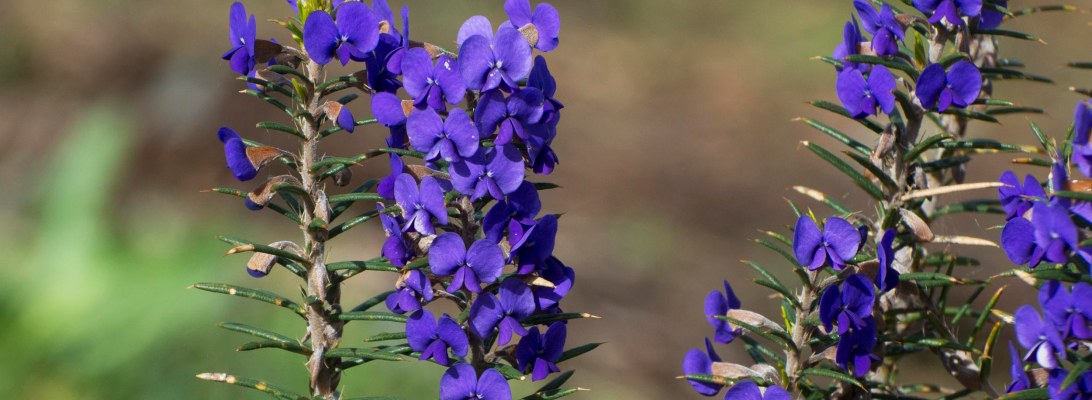
Native Wisteria (Hardenbergia comptoniana) flowers from July to October.

Orthrosanthus laxus
Morning Lily (Orthrosanthus laxus) flowers August to November.

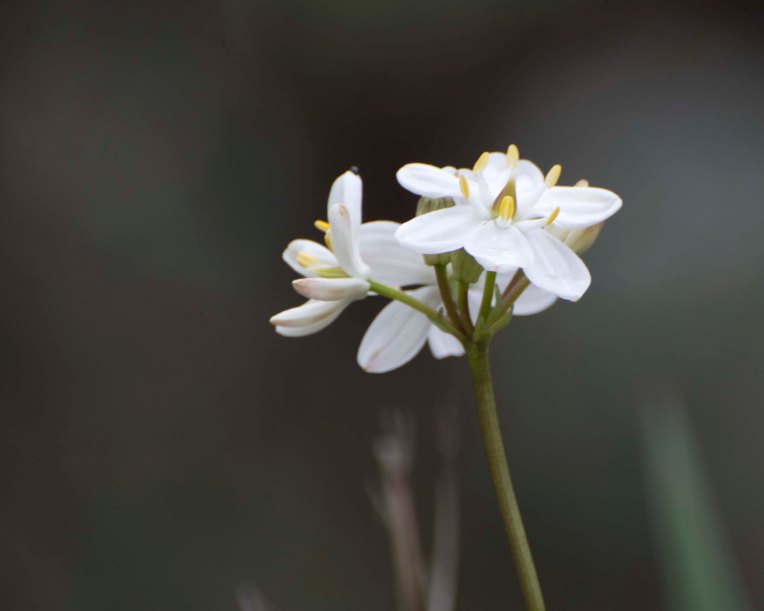
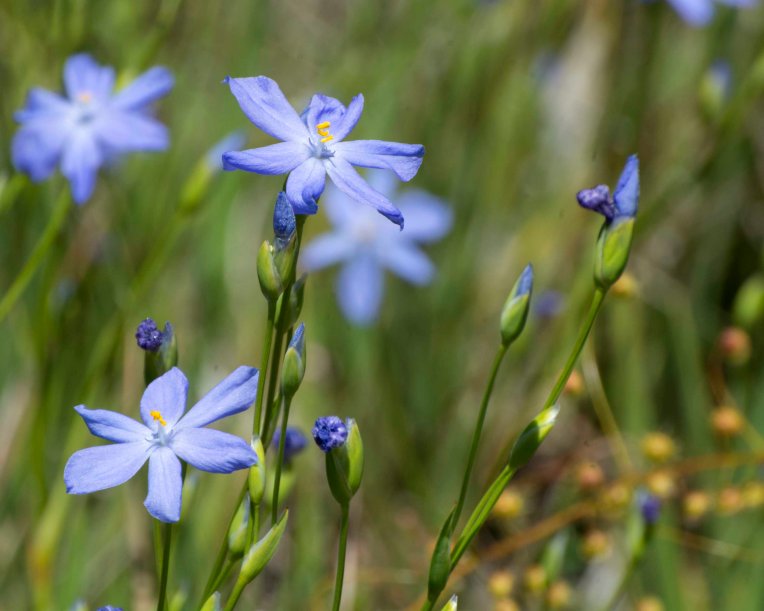
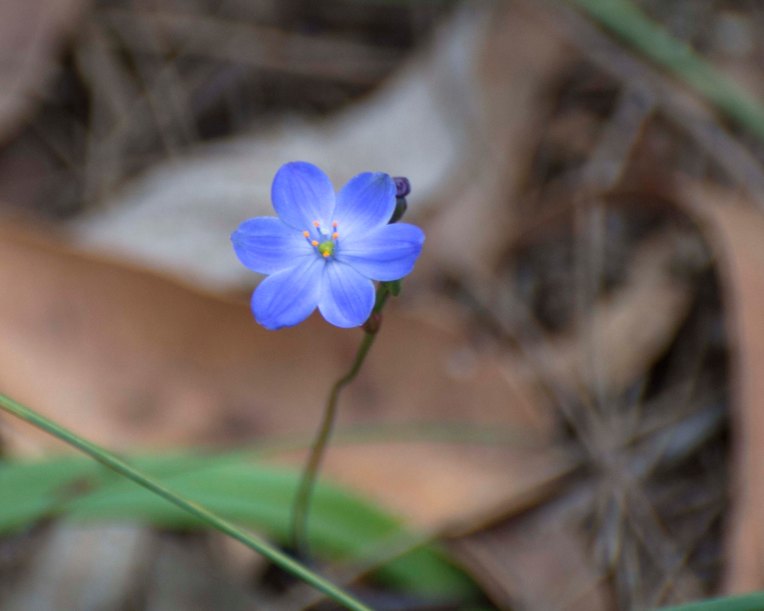
Blue Squill (Chamaescilla corymbosa) flowers in August and September.

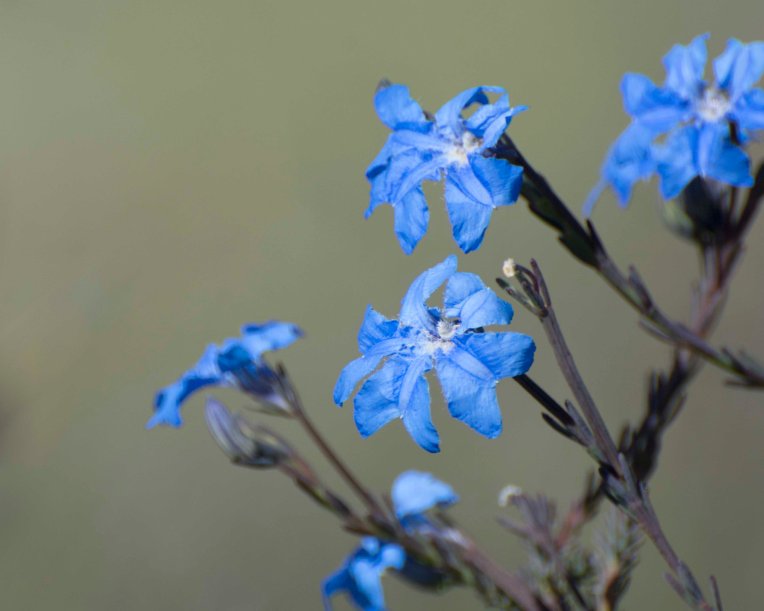
Lechenaultia biloba
Blue Lechenaultia (Lechenaultia biloba) flowers from July to December.

It is great to see many people out and about enjoying our wildflowers and natural parks at the moment. Last weekend, when on a Wildflower, Waterfall and Wildlife tour, some of the carparks were very full with cars as many local families and visitors were enjoying the scenery. I urge you to get outdoors and enjoy the natural beauty that surrounds us here in Perth while it is looking spectacular and while the weather is absolutely brilliant!


Early August Wildflower Watch

Prickly Hovea (Hovea pungens)

August is not the peak wildflower season in Perth but it is a time when many of the wildflowers are starting to bloom. You will see individual flowers open from a variety of species rather than large areas of colour. There are enough flowers blooming now to fill your flower rainbow!

So what is flowering now in the Perth area? I am glad you asked! Some of the flowers out now are depicted below.

Small flowered Donkey orchid (Diuris porrifolia) flowers in July to September.

Silky Blue Orchid (Cyanicula sericea) flowers in spring.

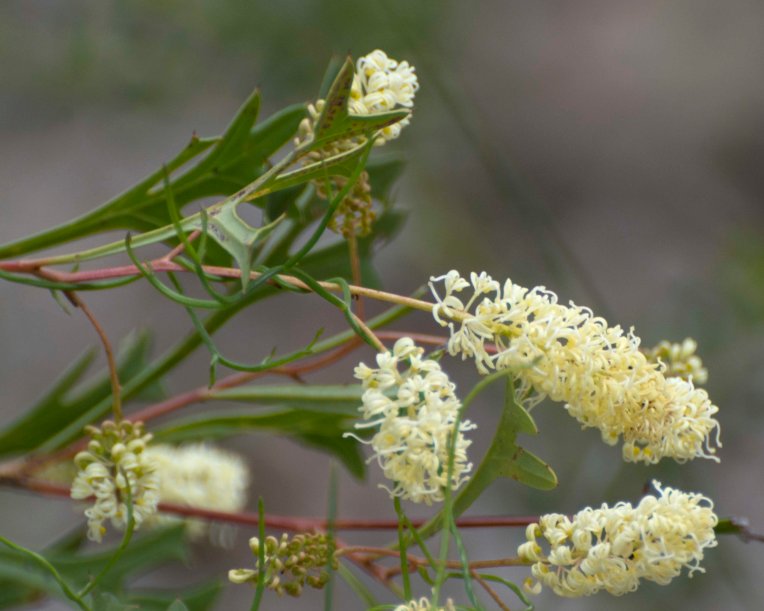
Catkin Grevillea (Grevillea synapheae)
Catkin Grevillea (Grevillea synapheae) flowers from July to October.

Lambertia multiflora
Many-flowered Honeysuckle (Lambertia multiflora) flowers from June to December.

Caladenia flava
Cowslip Orchid (Caladenia flava) flowers from July to December.

Catspaw Anigozanthos humilis
Catspaw (Anigozanthos humilis) flowers from July to October.

Cockies Tongues (Templetonia retusa)
Cockies Tongues (Templetonia retusa) flowers from April to November.

Honeybush can be seen on a wildflower tour
Honeybush (Hakea lissocarpa) flowers in May to September.

Grevillea pilulifora
Woolly Grevillea (Grevillea pilulifora) flowers from April to December.

Myrtle Hakea (Hakea myrtoides) flowers from July to August.

Isopogon asper flowers from June to October.

Swamp Rainbow (Drosera heterophylla) flowers from June to September.

Prickly Hovea (Hovea pungens)
Prickly Hovea (Hovea pungens) is a prolific flowerer from June to November.

Pepper and Salt (Philotheca spicata) flowers from June to November.

Banksia Armata
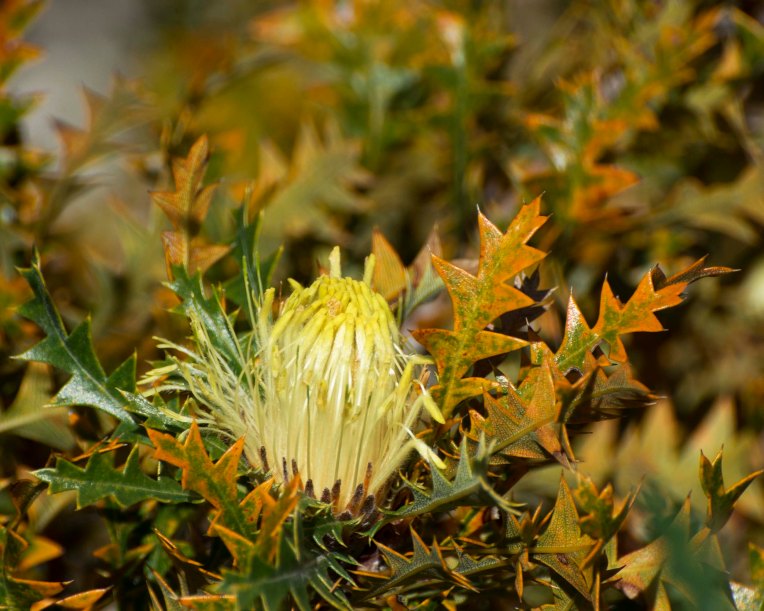
Prickly Dryandra (Banksia armata) Flowers in June to September.

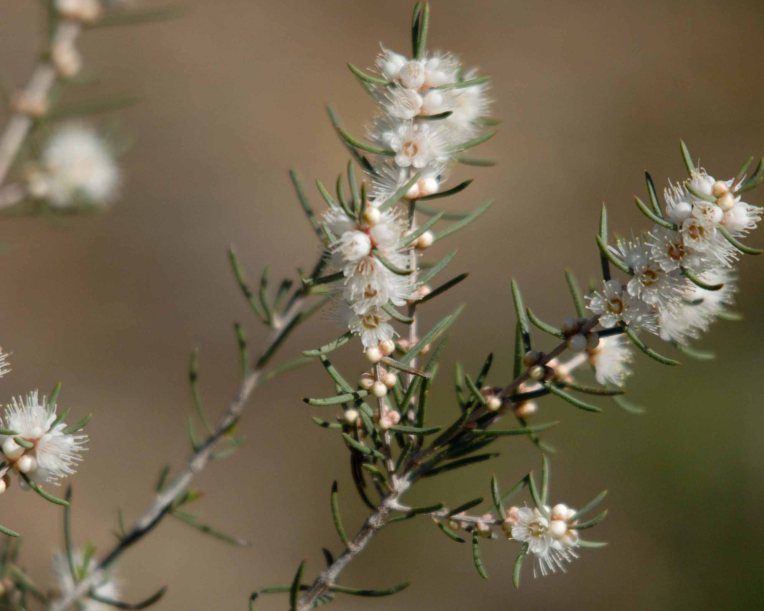
White Myrtle (Hypocalymma angustifolium) flowers from June to October.

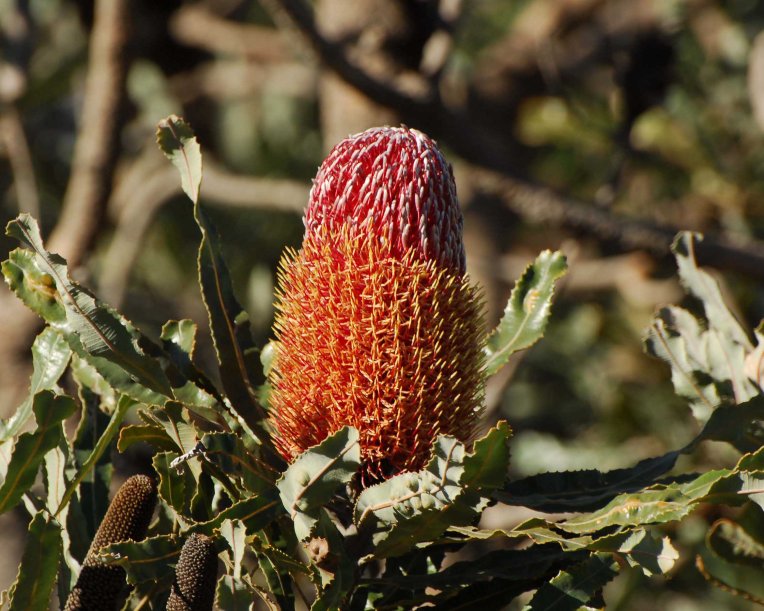
Firewood Banksia (Banksia menziesii) flowers from February to October.

Prickly moses (Acacia pulchella) July to December.

It is definitely a good time to get out into the bush to take in the beauty that surrounds us. Bush walking and looking at wildflowers is a great way to take a mindful break from our high paced lives. Be in the moment observing nature by looking, smelling, feeling the texture of the leaves and bark and listening to the sounds of our glorious natural areas!

Three Different Bird Photography Tours

Every birdwatcher and bird photographer is different and Perth Birds and Bush is knowledgeable enough to meet these different needs. Let me tell you about three different bird tours for each of Donna, Grace and Geoff. They were all keen bird photographers but all very different in what they wanted from their tour.

Geoff is from the UK and was more of a birder who takes photographs when the opportunity arises. He happy to see the birds and photographs are a secondary but still important part of his hobby. He booked a five hour tour with the primary focus being local endemic species as he had not visited Perth before. On the five hour tour we visited 3 bush bird locations in the Darling Range and one wetland location. The wetland spot was included as he had not seen Tawny Frogmouth and was keen to see some raptors. Geoff definitely photographed more bird species than Grace or Donna but we did not spend time letting the birds get closer to us or trying to move around the birds for better light. We saw at least 53 species on the tour.

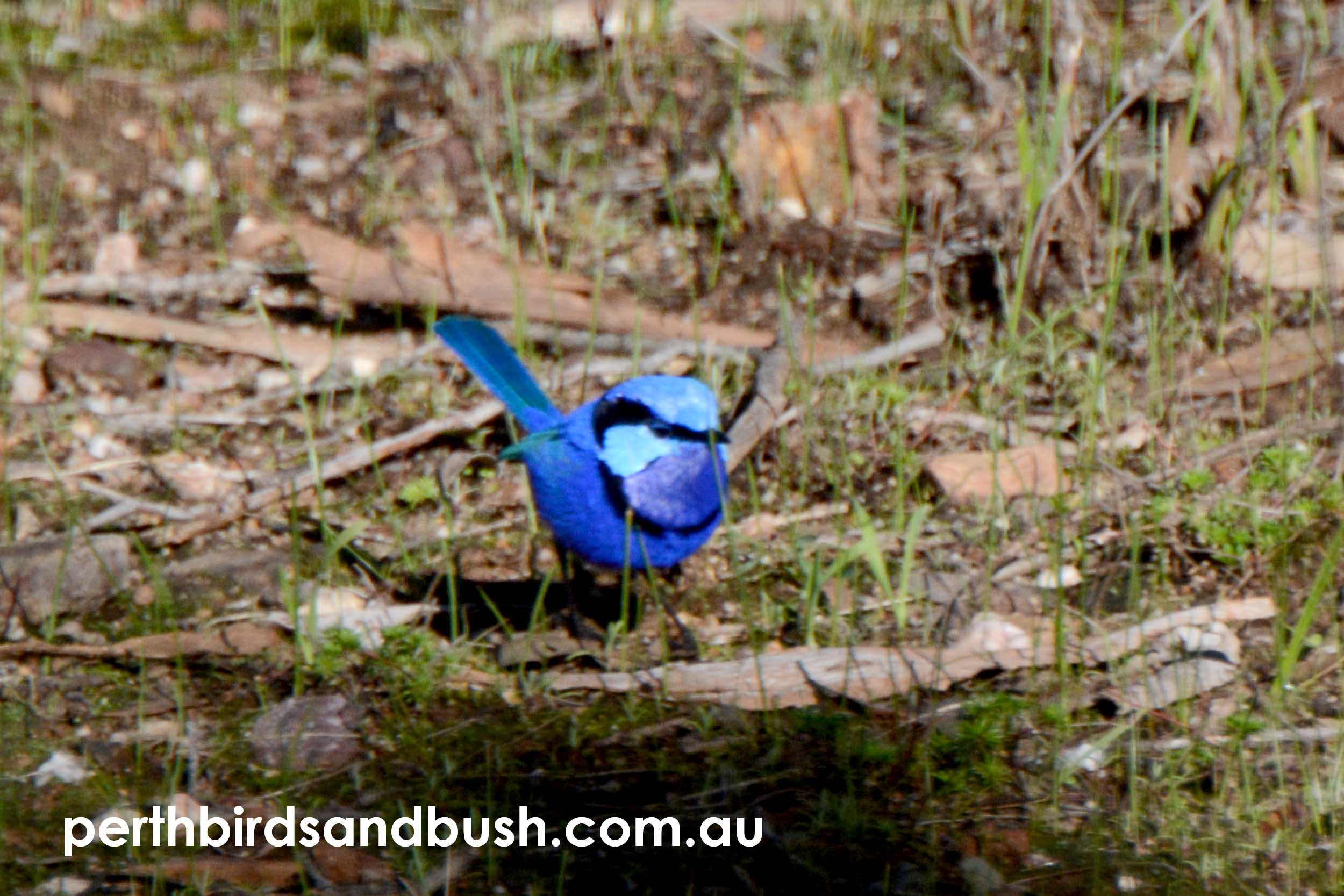
Geoff had a great chance to photograph this Spelndid Fairy-wren male in full breeding plumage as it walked closer to us. This wren was perhaps 5 meters from us. My photo is not very crisp as the bird was a little distant and I don’t use a tripod. Nikon D7100, sigma 1.4 converter and Nikon 70 to 300mm lens, f5.6, 1/1600s, ISO 640.

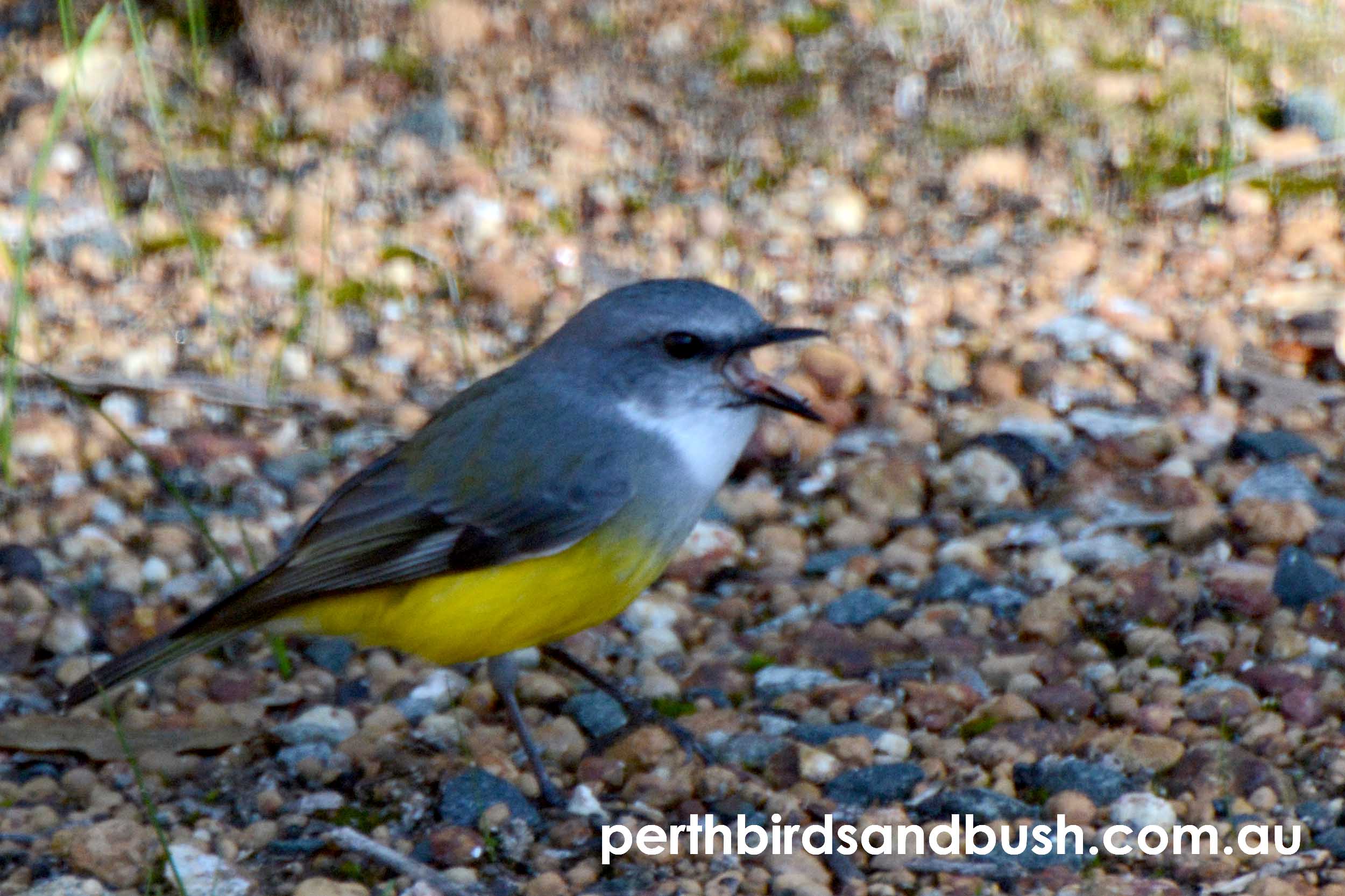
Geoff had a great opportunity to photograph a Western Yellow Robin out in the open. We would have been about 5 meters from this bird but it only stayed in the open for a short time. If we had stayed at this location longer we may have got better photos with the light on the bird etc. I had the same camera set up as above.

Donna from Melbourne wanted to see and photograph 5 bird species that she had not yet seen on her many visits to Perth. These were Western Spinebill, Western Wattlebird, Western Thornbill, Western Yellow Robin and Gilbert’s Honeyeater. We visited three locations during her 5 hour tour and she saw and photographed Western Spinebill, Western Wattlebird and Western Thornbill from her target list. In total we only saw 23 birds but it was the species which mattered. Donna is keen to see her birds but wants to also get photographs of each one. But she does not need to get perfect photos, that is an amazing bonus! She was thrilled to have photographed three of her target species and the next day she went back on her own to one of the spots we visited and managed to take a beautiful photograph of a Western Yellow Robin.

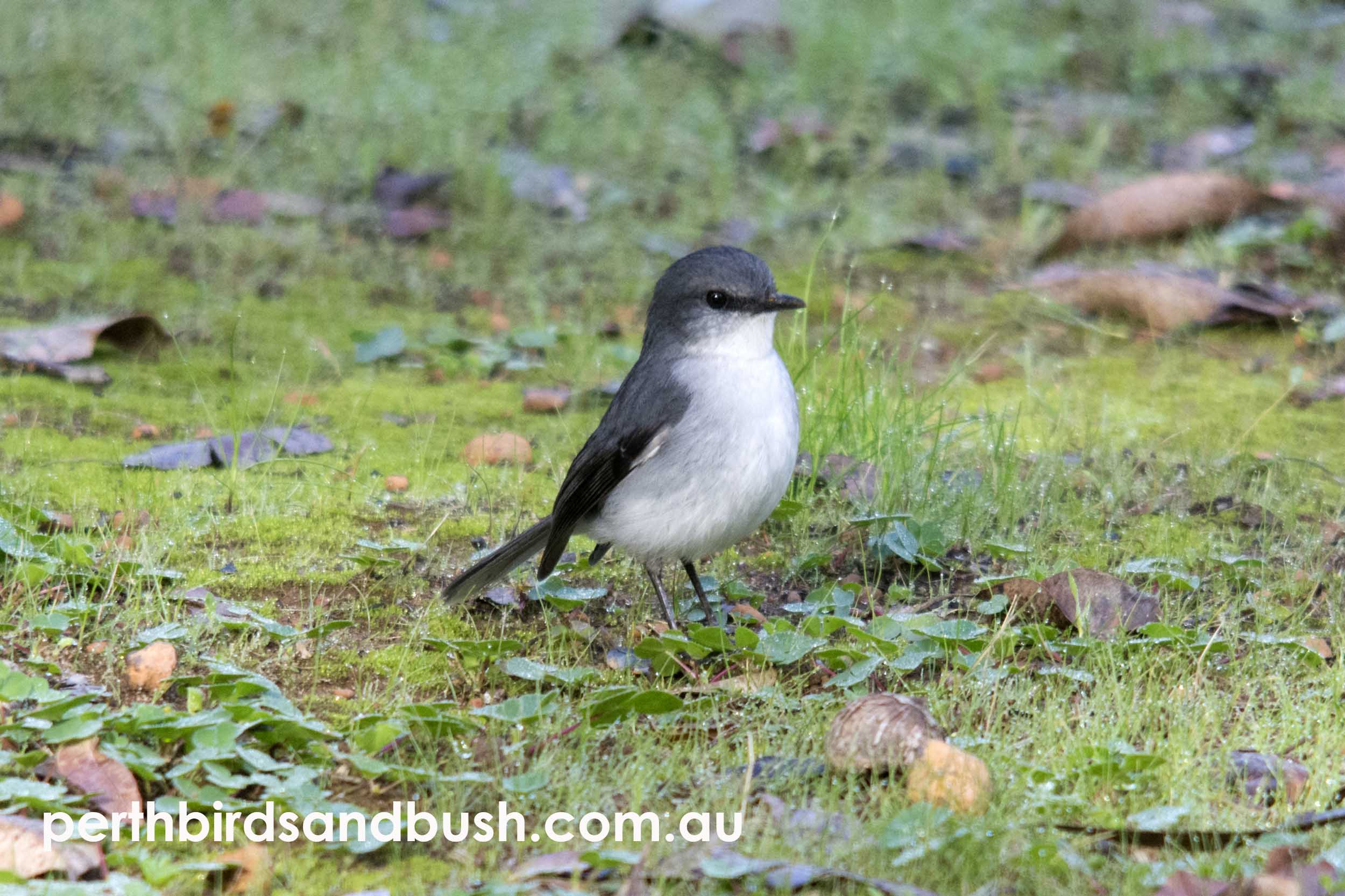
While not one of Donna’s target species, this White-breasted Robin posed a few meters from us while we were looking for Gilbert’s Honeyeater. Unfortunately, I had my camera in my bag when Donna photographed her target birds! But she was within 3m to 15m for the three species on her list that she was looking for. Nikon D7100 Sigma 150-500 lens, f6.3, 1/400s ISO 1600, handheld.
Grace from Canada booked a 4 hour tour and wanted to get fabulous photographs of a fairy-wren and possibly a robin. We went to a location where there are two species of fairy-wren and two species of robins present. She uses a tripod and likes to spend time letting the birds get close to her so that she can take stunning crisp photographs. She got amazing photographs of several Splendid Fairy-wrens, Scarlet Robin and White-breasted Robin, as well as some other species. Several times during the tour the Splendid Fairy-wrens were within 2 meters of us and similarly the Scarlet Robins and White-breasted Robin were within 2 meters of us at least once. We only saw 14 species in the four hours but only need to walk about 100 meters to find the species at the location we were at!
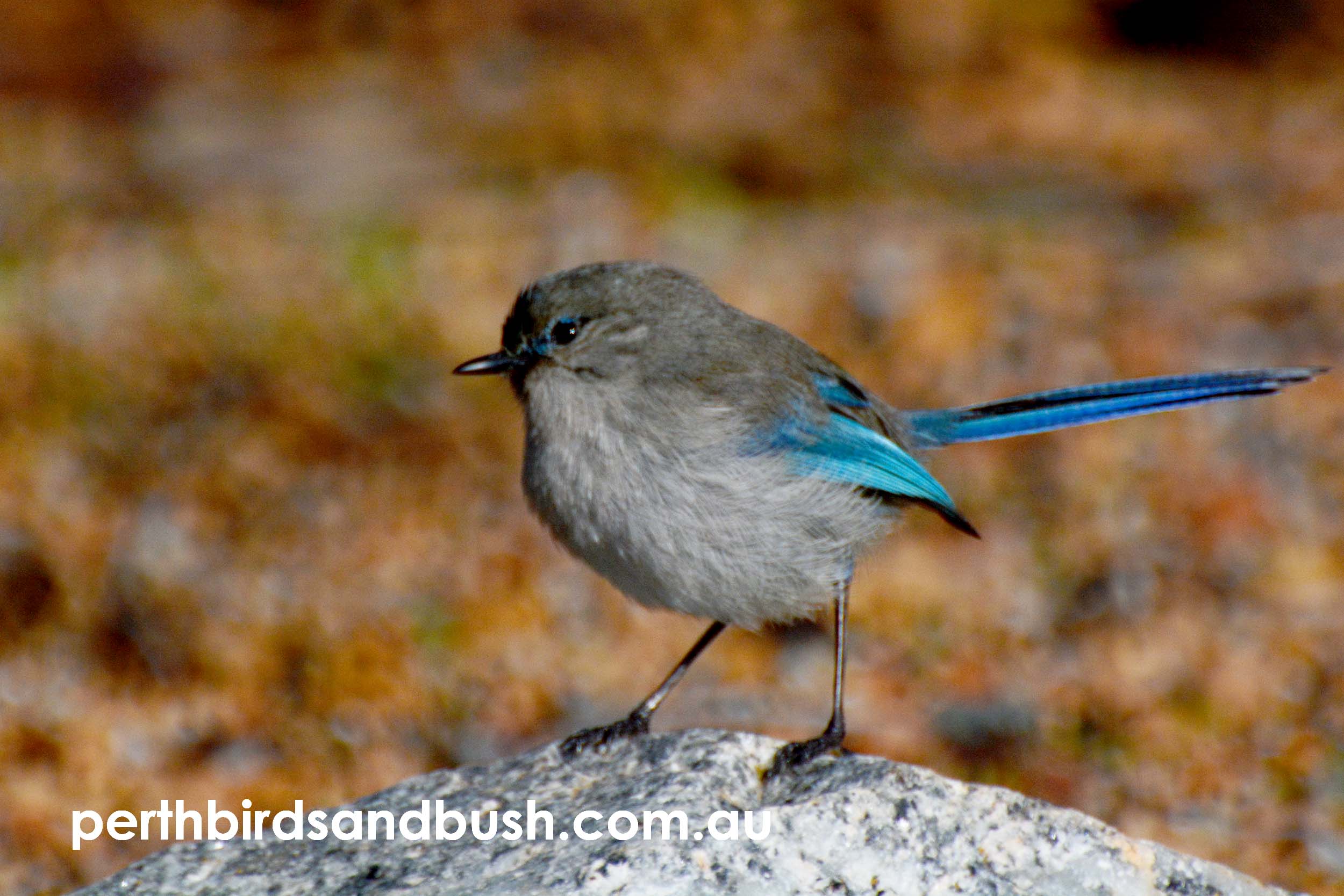
This Splendid Fairy-wren was only a 2 to 3 meters from us when I took this photograph. The sun was low in the sky and the wren was lit up beautifully. I am sure Grace got better photos as she was using a tripod! Nikon D7100 Sigma 1.4x converter, Nikon 70 – 300mm lens, f5.6, 1/3200s, ISO 500 handheld.
These tours were all very different but all three people were very happy with their tours. Communication when booking a tour is the key thing to ensure Perth Birds and Bush will plan the best tour for you. When you book using the booking form please include a comment about what you want from the tour. I always send a bird list back to you from the initial bird tour booking to check what you want to see to make sure that I can plan your tour to meet your wishes!